How Do You Tile a Shower So It Doesn't Leak?
By Jim Vernon · 4 min read · Last updated
The tile is the last 10% of a wet-area job; waterproofing is the 90% that actually keeps water out.
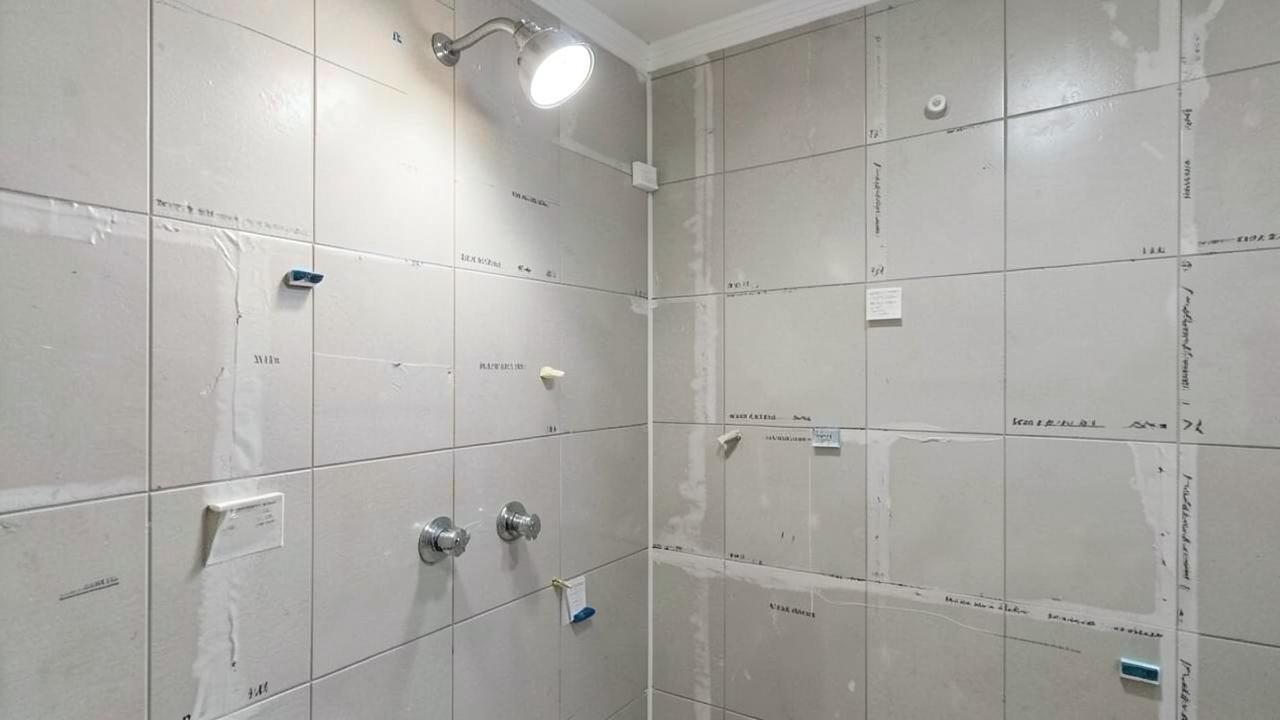
Tiling a wet area correctly means installing a continuous waterproofing membrane over the entire wet zone before any tile goes up, sloping the shower floor substrate 1/4 inch per foot toward the drain, using modified thinset with full mortar coverage for large-format tile, and sealing every penetration and inside corner with waterproof sealant rather than grout. Skip the waterproofing step and no amount of careful tile work will prevent an eventual leak.
What waterproofing methods are used behind shower tile today?
| Method | How it works | Typical cost add |
|---|---|---|
| Sheet membrane (bonded) | Rubberized sheet adhered directly to studs/backer board, tiled over directly | $3-$6 per sq ft of material |
| Liquid-applied membrane | Paint-on waterproof coating over cement board, 2-3 coats | $1.50-$4 per sq ft |
| Foam shower system (integrated pan/wall panels) | Pre-sloped foam pan and wall panels, coated and tiled over | $400-$900 per shower for pan plus wall panels |
| Traditional mud-set with PVC liner | Mortar bed over a folded PVC or CPE liner beneath, old-school method | Labor-intensive, $8-$15 per sq ft installed |
How is the shower floor slope actually built?
The pre-slope layer of mortar goes down first, sloped at 1/4 inch per foot from the perimeter down to the drain, then a waterproof membrane or liner sits on top of that pre-slope, followed by a second mortar bed also sloped to match, which is what the tile is actually set into. This double-slope, membrane-in-the-middle approach (in traditional mud-set systems) ensures that even if water gets past the tile and grout, it hits the sloped membrane and still drains out through the weep holes rather than pooling.
What thinset and technique does large-format tile need?
Tile 15 inches or longer on any side is considered large-format and needs a large-and-heavy-tile (LHT) modified thinset, back-buttering the tile in addition to troweling the wall or floor, and full mortar coverage of at least 95% verified by periodically pulling a set tile to check the mortar pattern. Standard small-format thinset and spot-dabbing corners, which sometimes passes for small tile, causes large tiles to crack under thermal movement or foot pressure because they're only supported at a few points.
- Use a 1/2-inch square-notch trowel for tile larger than 12 inches, versus 1/4-inch for standard 4x4 to 12x12 tile.
- Back-butter every large tile in addition to troweling the substrate.
- Check coverage on the first several tiles by pulling one and inspecting the mortar transfer pattern.
- Use tile leveling clips on floors and walls with large-format tile to prevent lippage between adjacent tiles.
- Allow full manufacturer cure time, typically 24-72 hours, before grouting, longer in cold or humid conditions.
Where do most wet-area tile jobs actually fail inspection or fail in the field?
- Inside corners sealed with grout instead of flexible caulk, which cracks as the structure moves.
- Niche shelves without their own waterproofing and slope, leading to standing water and eventual leaks behind the niche.
- Grout lines wider than the tile manufacturer's spec for a rectified edge, causing lippage and trapped water.
- Missing or improperly sealed penetrations where the shower valve and shower arm pass through the membrane.
- Skipping the flood test on a mud-set pan (filling the pan with water and letting it sit 24 hours before tiling) to confirm the drain and membrane hold water.
What does a full wet-area tile job cost including waterproofing?
For an average 3-by-5-foot shower plus surrounding wall tile, expect $2,500-$6,000 total for a professional job including membrane, mortar bed, tile, and labor, with natural stone and large-format porcelain at the higher end. DIY materials alone (excluding a fabricator's labor) typically run $600-$1,800 depending on tile choice and membrane system.
How do you plan grout joints and layout around the drain and niche?
Start floor tile layout centered on the drain so cut tiles at the perimeter are as even as possible on all sides, rather than starting from a wall and letting the drain fall wherever it lands. On walls, dry-lay full courses so that any cut row ends up at the ceiling or a low, less visible point rather than at eye level. A niche should align its top and bottom edges with a horizontal grout line elsewhere on the wall whenever possible, since a niche that doesn't line up with the surrounding grid is one of the most common small details that makes an otherwise solid tile job look unplanned.
Can you tile directly over drywall in a shower?
No. Standard drywall, even moisture-resistant 'green board,' is not an acceptable tile substrate inside the wet zone of a shower per most tile industry standards; use cement backer board or a foam waterproofing panel system instead.
How long should you wait to use a new shower after tiling?
Wait at least 24-72 hours after grouting before using the shower, and avoid heavy, prolonged water exposure for the first week to let grout and sealant fully cure, since curing continues even after the surface feels dry to the touch.
Do you need to waterproof the whole bathroom or just the shower?
Waterproofing membrane is required within the wet zone, typically the shower/tub enclosure and up to 6 feet from the showerhead or 4 feet high on adjacent walls per common tile industry guidelines, not the entire bathroom floor, though a fully waterproofed bathroom floor is extra insurance in a small space.
Why do niche shelves leak more often than the rest of the shower?
A niche cut into the wall creates extra seams, corners, and a horizontal surface where water sits, all of which need their own waterproofing and slight forward slope. Installers who treat the niche as an afterthought instead of extending the membrane fully into it create a common leak point.
Run the numbers for your own project
- Tile and Grout CalculatorHow many tiles, and how much adhesive and grout?
- Project Cost EstimatorWhat will this project cost me?
Keep reading
- How Much Paint Do You Actually Need for a Room?The tin says 400 square feet. Your wall says otherwise. Here is the arithmetic that actually holds up.
- DIY or Hire a Pro? A Decision Framework That Is Not About MoneyThe labour saving is real. So is the cost of a job done twice — and of tools you use once.
- Storage for Small Rooms That Does Not Make Them SmallerSmall rooms do not need more storage. They need storage that stops interrupting the eye.