Fixing a Running Toilet in Under an Hour
By Jim Vernon · 4 min read · Last updated
A running toilet is wasting water and money every minute it continues, and the fix is almost always a $10 part.
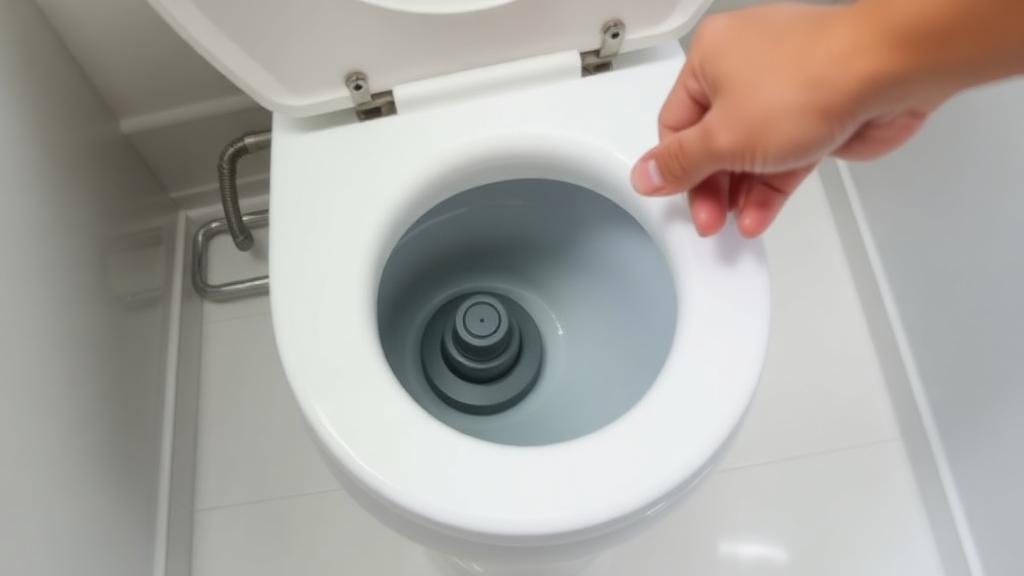
A toilet that runs continuously, refills randomly, or takes a long time to stop after flushing is caused by one of three components in the tank: the flapper, the fill valve, or the flush handle chain. Diagnosing which one takes about two minutes with the tank lid off.
Diagnostic steps
- Remove the tank lid and observe the water level relative to the overflow tube — if water is running into the tube, the fill valve is not shutting off at the right level.
- Check the flapper (the rubber seal at the bottom of the tank) for warping, cracking, or mineral buildup that prevents a full seal.
- Check the chain connecting the flush handle to the flapper — too much slack means the flapper does not seat properly; too little means it cannot close fully after flushing.
- Add a few drops of food colouring to the tank water without flushing; if colour appears in the bowl after 10-15 minutes without flushing, the flapper is leaking.
Fixing a bad flapper
Flappers degrade from mineral deposits and rubber breakdown over a few years, especially with hard water or chlorine-based tank tablets. Turn off the water supply valve, flush to drain the tank, unhook the old flapper from its mounting pegs and the chain, and install a new one matched to the toilet's brand and model — flappers are not fully universal, so bring the old one or note the toilet brand when buying a replacement.
Fixing a fill valve that will not shut off
If water runs into the overflow tube, the fill valve's float mechanism is not signalling shutoff at the correct level. Older ball-float valves can be adjusted by bending the float arm slightly down; modern cylindrical fill valves usually have a clip or dial that adjusts the water level directly. If adjustment does not fix it, the valve's internal seal has likely worn out and the whole fill valve assembly needs replacing, which is a low-cost part.
| Symptom | Likely part | Fix |
|---|---|---|
| Constant running sound | Fill valve not shutting off, or flapper not sealing | Check float level, then flapper seal |
| Water in bowl changes colour with dye test, no flush | Flapper leaking | Replace flapper |
| Handle has to be held down or jiggled to stop running | Chain length wrong | Adjust chain slack |
| Water randomly starts running on its own | Small flapper leak lowering tank level until fill valve triggers | Replace flapper |
Adjusting the chain
The chain between the flush handle arm and the flapper should have a small amount of slack, roughly a half inch, when the flapper is fully seated. Too much slack means the handle has to travel further before it lifts the flapper at all, sometimes not lifting it fully; too little means the flapper is held slightly open, letting water run continuously.
When a full fill valve replacement is worth it
Worked example: a toilet that runs every few minutes
A toilet that runs for a few seconds every 5-10 minutes, even when untouched, is almost always a slow flapper leak: water seeps past the flapper seal, the tank level drops just enough to trigger the fill valve, the valve tops it back up, and the cycle repeats. The food colouring test confirms this in about 10 minutes. A new flapper matched to the toilet's brand, installed in under 10 minutes with the water off, typically stops the cycle completely and pays for itself in avoided water use within days.
- Common mistake: replacing the fill valve first when the symptom actually points to a flapper leak, based on the dye test.
- Common mistake: buying a generic flapper without checking toilet brand or bringing the old one, leading to a poor seal even when new.
- Common mistake: leaving a running toilet unfixed because it seems minor, when it can waste hundreds of gallons over a period of weeks.
When a full fill valve replacement is worth it
If the fill valve is more than 8-10 years old, adjustment often only provides a temporary fix, since the internal parts wear more broadly than just the float mechanism. A full fill valve costs relatively little and takes about the same time to replace as diagnosing a partial fix, which makes replacement the more time-efficient choice on an older toilet.
How much water does a running toilet actually waste?
A continuously running toilet can waste hundreds of gallons a day depending on the leak size, making it one of the highest-impact small repairs in a home in terms of cost savings.
Are flappers universal across toilet brands?
Not entirely — sizing and shape vary enough that bringing the old flapper to the store, or checking the toilet's brand and model, avoids a mismatched replacement.
Can I fix a running toilet without turning off the water?
For a chain adjustment, yes, since it does not require removing parts submerged in water. Flapper or fill valve replacement is much easier and drier with the supply off.
Can I fix a running toilet without turning off the water?
For a chain adjustment, yes, since it does not require removing parts submerged in water. Flapper or fill valve replacement is much easier and drier with the supply off.
How do I do the food colouring dye test correctly?
Add several drops to the tank, wait 10-15 minutes without flushing, then check the bowl. Any colour appearing in the bowl confirms the flapper is leaking, not just running noisily.
Should I replace both the flapper and fill valve at the same time?
If the toilet is older than about 8-10 years and both parts show wear, replacing them together saves a second round of draining and reassembly later.
Run the numbers for your own project
- Project Cost EstimatorWhat will this project cost me?
Keep reading
- How Much Paint Do You Actually Need for a Room?The tin says 400 square feet. Your wall says otherwise. Here is the arithmetic that actually holds up.
- DIY or Hire a Pro? A Decision Framework That Is Not About MoneyThe labour saving is real. So is the cost of a job done twice — and of tools you use once.
- Storage for Small Rooms That Does Not Make Them SmallerSmall rooms do not need more storage. They need storage that stops interrupting the eye.