Electrical Safety for DIYers: What's Reasonable and What Isn't
By Jim Vernon · 5 min read · Last updated
Electrical work has a wider range of 'DIY-reasonable' than people assume, and a narrower range than YouTube suggests.
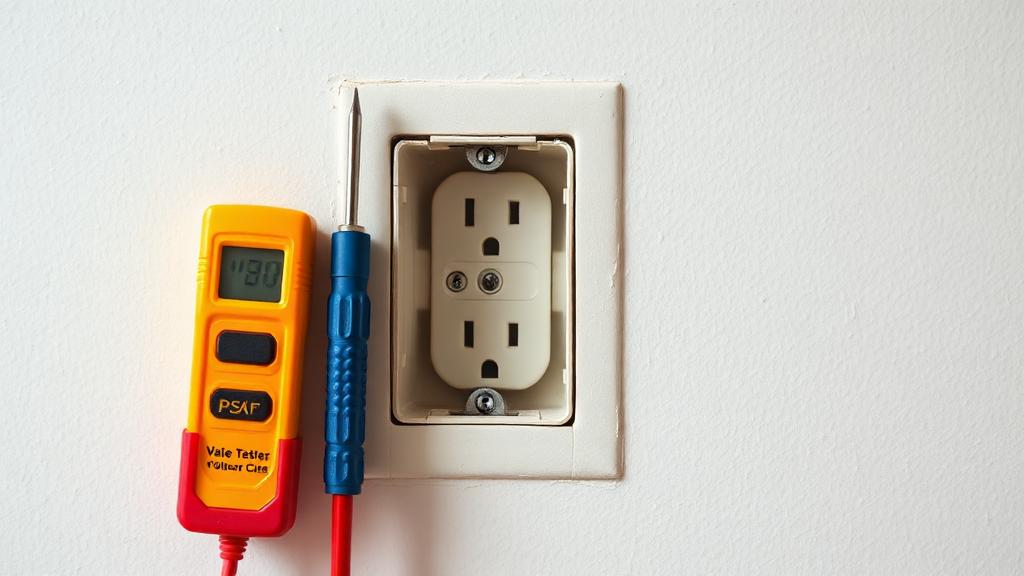
Electrical work sits at an unusual intersection: some tasks are genuinely low-risk and well within reach for a careful homeowner, while others carry real risk of fire, shock, or code violations that create problems at resale. Knowing which is which — rather than treating all electrical work as either forbidden or trivial — is the useful distinction.
Tasks generally reasonable for a confident DIYer
- Replacing a light switch or outlet with the same type, after confirming the breaker is off and the circuit is dead with a non-contact voltage tester.
- Replacing a light fixture on an existing circuit, matching wire connections to the old fixture.
- Installing a plug-in smart plug, timer, or surge protector — no wiring involved.
- Replacing a standard outlet with a GFCI outlet on an existing circuit, following the wiring diagram carefully.
- Testing and resetting breakers, and replacing like-for-like breakers of the correct amperage if you're comfortable working inside the panel with power off.
Tasks that should go to a licensed electrician
- Any work on the main electrical panel involving the main breaker or service entrance wiring.
- Adding a new circuit or running new wiring through walls, especially for higher-demand loads like an EV charger, hot tub, or subpanel.
- Anything involving aluminum wiring, common in some homes built in the 1960s-70s, which requires specific connectors and techniques to be done safely.
- Rewiring or troubleshooting a circuit with unknown or undocumented history, especially in an older home.
- Any work requiring a permit in your jurisdiction — permits exist partly so an inspector confirms the work meets current code.
| Task | DIY-reasonable? | Key risk if done wrong |
|---|---|---|
| Swap a light switch (same type) | Yes, with breaker off | Shock if circuit isn't actually dead |
| Install a GFCI outlet | Yes, follow diagram carefully | Miswiring line/load terminals |
| Add a new circuit | No — hire an electrician | Overloaded wiring, fire risk |
| Work inside the main panel | No — hire an electrician | Serious shock, arc flash |
| Replace a ceiling fan (existing wiring) | Often yes, if fixture-rated box exists | Fixture falling if box isn't rated for the weight |
Basic safety habits that prevent most DIY electrical injuries
- Turn off the breaker for the circuit you're working on, and label or hold the panel door so no one else flips it back on while you're working.
- Test with a voltage tester before touching any wires, even after switching off the breaker.
- Work with one hand when possible near live components, keeping the other hand away from grounded metal, to reduce the risk of current passing through the chest.
- Never work on wet floors or with wet hands.
- Use insulated tools rated for electrical work.
Signs of an electrical problem that need prompt professional attention
- Breakers that trip repeatedly, especially on a specific circuit.
- Warm or discolored outlet covers or switch plates.
- A persistent burning smell with no obvious source.
- Flickering lights that aren't tied to a dimmer or a known loose bulb.
- Outlets that spark visibly when plugging something in.
Any of these warrant calling a licensed electrician promptly rather than waiting — they're common precursors to electrical fires, and diagnosing the actual cause (as opposed to just replacing the symptom, like a tripping breaker) generally requires professional troubleshooting.
Understanding your panel and circuit labels
A well-labeled panel is one of the most useful safety tools in a house, and it's often neglected. If your panel's directory is outdated or missing, spend an hour mapping it: turn off one breaker at a time, then walk the house checking which outlets and fixtures lose power. Label each breaker clearly, noting rooms and any major appliances on a dedicated circuit, such as the refrigerator, microwave, or a well pump.
- Look for a breaker's amperage rating stamped on the switch itself, and don't assume it matches the wire gauge it's connected to without checking — a mismatch is a fire hazard best flagged to an electrician.
- AFCI (arc-fault) and GFCI (ground-fault) breakers serve different protective purposes and are increasingly required by code in specific rooms — bedrooms and living areas typically need AFCI protection, while bathrooms, kitchens, garages, and outdoor outlets typically need GFCI.
- A panel with visible rust, scorch marks, or a burning smell near it should be inspected by an electrician promptly, regardless of whether anything has tripped recently.
Extension cords and power strips: common misuse
Extension cords and power strips are a frequent source of overheating and fire risk when misused, even though the devices themselves are safe DIY territory. Running an extension cord permanently through a wall, under a rug, or as a substitute for a missing outlet is a common code violation and a real fire risk, since heat can build up in a covered or coiled cord without anywhere to dissipate.
- Match the cord's gauge and rating to the load — a thin cord rated for a lamp is not safe for a space heater or a table saw.
- Never chain multiple power strips or extension cords together to reach farther; use a single cord rated for the distance and load instead.
- Uncoil extension cords fully when using them under sustained load, since a coiled cord traps heat.
Do I need a permit to replace an outlet or switch?
Usually not for a straightforward like-for-like replacement, but requirements vary by jurisdiction — check locally, especially if you're adding a GFCI where there wasn't one, since that can trigger different rules.
Is it safe to work on a circuit if I'm not sure which breaker controls it?
No — map it first. Turn off breakers one at a time and test the outlet or fixture with a voltage tester or by seeing if a plugged-in lamp goes off, and label the panel clearly once you know, for your own and future safety.
What's the risk with older aluminum wiring specifically?
Aluminum wire expands and contracts differently than copper and can loosen at connections over time, leading to overheating at outlets and switches. It requires specific antioxidant compounds and connectors (or a full copper retrofit) — this is electrician territory, not a DIY swap.
Run the numbers for your own project
- Project Cost EstimatorWhat will this project cost me?
Keep reading
- How Much Paint Do You Actually Need for a Room?The tin says 400 square feet. Your wall says otherwise. Here is the arithmetic that actually holds up.
- DIY or Hire a Pro? A Decision Framework That Is Not About MoneyThe labour saving is real. So is the cost of a job done twice — and of tools you use once.
- Storage for Small Rooms That Does Not Make Them SmallerSmall rooms do not need more storage. They need storage that stops interrupting the eye.