Driveway Sealing and Repair: Timing, Cracks, and When to Just Repave
By Jim Vernon · 5 min read · Last updated
A driveway crack you ignore this year is a pothole you're patching next year, and a resurfacing job the year after.
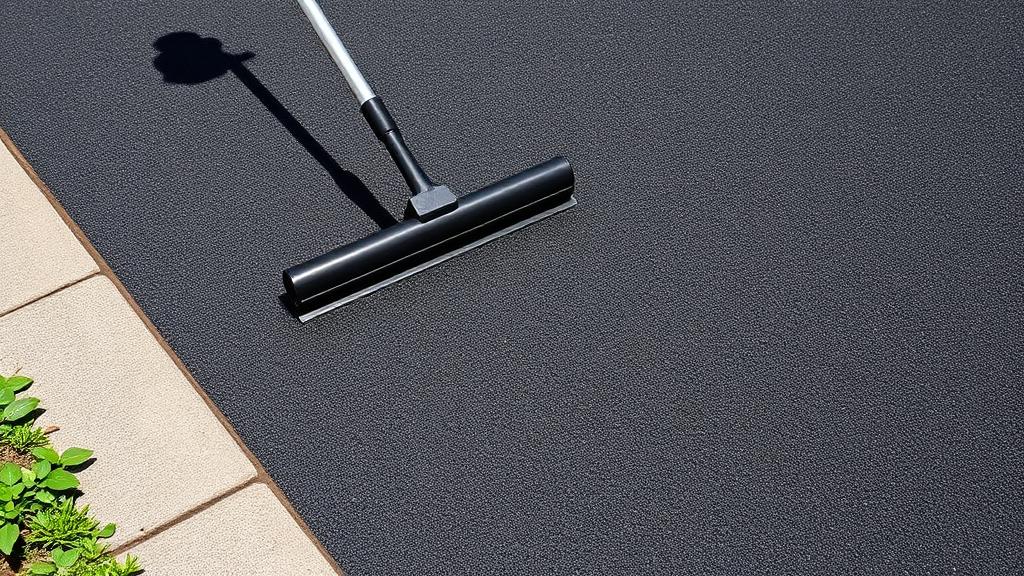
Driveways fail from the inside out — water gets into a small crack, freezes and expands, and the crack becomes a network of cracks, then a pothole. Sealing and crack repair are cheap interruptions to that cycle; skipping them for a few seasons is what turns a $200 fix into a $4,000 repave.
Asphalt: sealing schedule
A new asphalt driveway needs 6-12 months to cure before its first seal coat — sealing too early traps solvents and oils still curing out of the asphalt. After that, reseal every 2-3 years, or sooner in climates with hard freeze-thaw cycles.
Concrete: different rules
Concrete doesn't need regular sealing to survive, but a penetrating sealer every 3-5 years reduces staining, salt damage, and surface scaling in freeze-thaw regions. Concrete cracks are usually a sign of settling or a control joint that didn't fully do its job, not surface wear.
Crack repair by size
| Crack width | Typical fix | Notes |
|---|---|---|
| Hairline (<1/8 in) | Crack filler or sealant during regular sealing | Low urgency but worth doing this season |
| 1/8 - 1/2 in | Rubberized crack filler, pour or caulk-gun applied | Clean and dry crack fully before filling |
| 1/2 - 2 in | Cold patch asphalt or concrete patch compound | Compact in layers, don't just fill flush and walk away |
| Wide alligatored area | Full section cut-out and repave/repour | Patching a failed sub-base just delays the same failure |
Sealant types compared
| Sealant type | Durability | Notes |
|---|---|---|
| Coal tar emulsion | 3-5 years | Strong resistance to oil/gas stains, banned in some municipalities for environmental reasons |
| Asphalt emulsion | 2-4 years | Widely available, fewer regulatory restrictions than coal tar |
| Acrylic sealer | 3-5 years | Better UV and color retention, typically higher cost |
Signs your sealer has already worn out
- Surface looks gray or faded rather than deep black after rain.
- Water no longer beads on the surface but soaks in instead.
- Small surface cracks are reappearing in spots that were sealed within the last year or two.
Does driveway color fade the same way sealant wears off?
Yes -- graying and fading are the visible signs that UV and traffic have worn through the protective sealant layer, which is the practical cue to reseal rather than relying strictly on a calendar interval.
When to repave instead of patch
- More than 25-30% of the surface shows alligator cracking or potholes.
- The driveway has already been resurfaced once and is failing again within a few years.
- Drainage problems are causing standing water that keeps re-damaging the same spots.
- Patches from prior years are themselves cracking and lifting.
Cost context
Sealcoating a standard asphalt driveway typically runs a fraction of the cost per square foot compared to a full repave, which is the entire economic argument for staying on schedule — every skipped sealing cycle shifts spending from the cheap column to the expensive one.
Can I seal my driveway myself?
Yes, for standard asphalt sealcoating — it's a common DIY job with a squeegee applicator. Structural crack repair and any base work are better left to a contractor.
How soon can I drive on a freshly sealed driveway?
Foot traffic after about 24 hours, vehicle traffic after 48-72 hours depending on temperature and humidity — check the product label.
Why does my driveway crack in the same spots every year even after patching?
Recurring cracking in the same location usually means an underlying issue — poor drainage, an unstable sub-base, or a tree root — that surface patching doesn't address.
A worked example: the cost of waiting
A hairline crack filled this season might cost very little in materials and an hour of labor. Left two winters through freeze-thaw cycling, that same crack can widen into a network covering several square feet, pushing the fix from a simple crack-filler job into full-depth patching -- often five to ten times the cost for the same section of driveway.
Sealing steps for asphalt
- Clean the surface thoroughly, removing oil stains, dirt, and loose debris.
- Fill and let cure any cracks before sealing over them.
- Apply sealant with a squeegee in thin, even coats, working in sections.
- Keep vehicles and foot traffic off per the product's cure time before reopening the driveway.
Common mistakes
- Sealing over unfilled cracks, which traps water underneath instead of keeping it out.
- Applying sealant too thick, which can crack and peel faster than a thin, even coat.
Choosing between DIY and a contractor
Sealcoating and simple crack filling are within reach for most homeowners with a weekend and basic tools. Base repair, full-depth patching, and anything involving drainage regrading are better handled by a paving contractor, since the equipment for proper compaction isn't something most households own or need often enough to justify buying.
Weather conditions for sealing
| Condition | Guideline |
|---|---|
| Temperature | 50°F and rising, with no frost expected overnight |
| Rain forecast | None expected for at least 24-48 hours after application |
| Surface | Fully dry -- wait at least a day after any rain before sealing |
Can I seal my driveway in the fall?
Yes, as long as daytime temperatures stay above roughly 50°F and there's enough of a dry window afterward -- avoid sealing too close to the first hard freeze.
- Sealing a brand-new driveway before it's finished curing.
- Ignoring drainage issues that keep re-cracking the same spot no matter how often it's patched.
Cost ranges by job type
Sealcoating a typical two-car asphalt driveway (600-800 sq ft) runs roughly $150-$400 in DIY materials or $300-$600 professionally installed. Filling a handful of cracks adds $75-$150 in professional labor. Compare that to a full-depth asphalt repave at $4,000-$7,000 for an average driveway, or $8-12 per square foot for new concrete, and the case for staying on a sealing schedule is mostly arithmetic.
Frost depth matters for concrete specifically: in climates with deep frost lines (36 inches or more), a driveway edge or apron without footings extending below that depth is more prone to heaving than an asphalt surface, which flexes slightly rather than cracking outright under the same freeze-thaw stress.
Run the numbers for your own project
- Concrete CalculatorHow much concrete do I need?
- Project Cost EstimatorWhat will this project cost me?
Keep reading
- How Much Paint Do You Actually Need for a Room?The tin says 400 square feet. Your wall says otherwise. Here is the arithmetic that actually holds up.
- DIY or Hire a Pro? A Decision Framework That Is Not About MoneyThe labour saving is real. So is the cost of a job done twice — and of tools you use once.
- Storage for Small Rooms That Does Not Make Them SmallerSmall rooms do not need more storage. They need storage that stops interrupting the eye.