A Decluttering System That Sticks, Not Just a One-Weekend Purge
By Jim Vernon · 4 min read · Last updated
The purge isn't the hard part. Preventing the clutter from creeping back is.
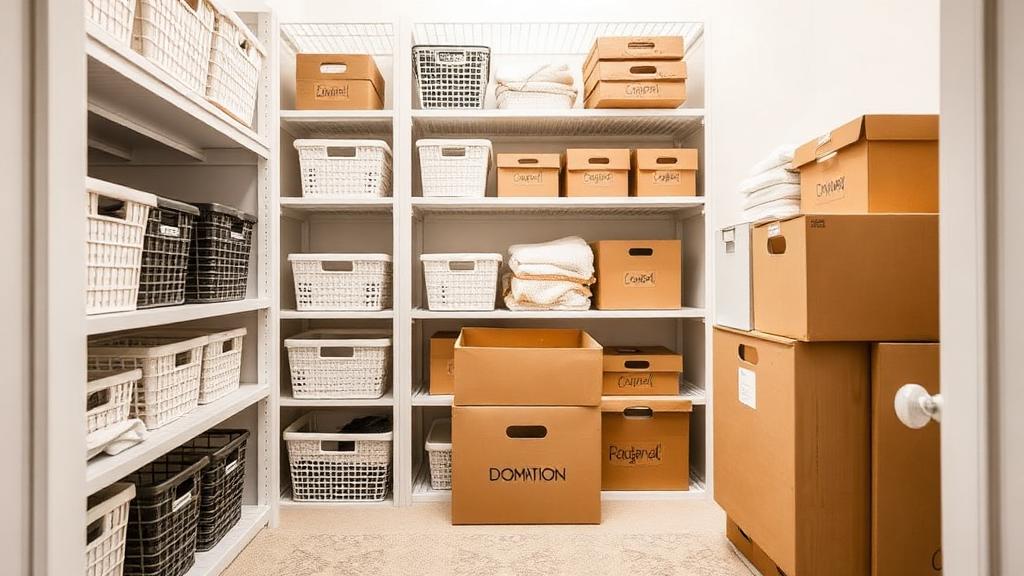
A weekend decluttering binge produces a satisfying before-and-after, and then within three to six months the same drawers and surfaces fill back up. This isn't a willpower failure — it's usually because the purge addressed the existing clutter without changing the system that generated it in the first place.
Why the rebound happens
- Items were removed but the underlying habit that accumulated them — impulse buying, unclear storage homes, no exit point for old items — never changed.
- Storage was reorganized without reducing volume, so the same amount of stuff simply looks tidier temporarily before spilling out again.
- No routine exists for handling new items entering the home, so today's mail and packaging becomes next month's clutter.
Sort by category, not by room
Decluttering room by room means encountering the same category — say, books, or cables, or kitchen gadgets — scattered across multiple rooms and never comparing the full set at once. Gathering all of one category in a single spot before deciding what stays makes duplicates and overcollection obvious in a way that room-by-room sorting hides.
| Category | Common overcollection | Quick test |
|---|---|---|
| Clothing | Items unworn in over a year | Try the hanger-reverse method for 6 months |
| Kitchen gadgets | Single-use tools with cheap multi-use alternatives | Would a knife or a basic tool do this job? |
| Paper and mail | Old statements, expired coupons, instruction manuals | Is this available digitally or online if needed later? |
| Cables and electronics | Chargers for devices no longer owned | Do you own the matching device right now? |
| Sentimental items | Boxes never opened since the last move | Would a photo of the item preserve the memory as well? |
Give every category a home, or reduce it
Items without a designated storage spot are the ones most likely to end up on counters, tables, and floors. If a category of items genuinely has no reasonable home in the house, that's often a sign the category itself needs reducing rather than needing more storage bought to contain it.
A one-in-one-out habit for high-turnover categories
Clothing, books, and kids' toys are categories that grow continuously through normal life — gifts, purchases, hand-me-downs. Applying a rough one-in-one-out rule for these specific categories (not the whole house) prevents the slow creep that undoes an initial declutter without requiring constant vigilance everywhere.
Photographing a cluttered drawer or shelf before starting and again after can be a useful gut check months later — memory tends to soften how bad the 'before' really was, which makes it easier to slide back toward the old baseline without noticing.
A maintenance routine that actually holds
- A five-minute reset each evening — return items to their designated homes rather than letting them pile.
- A monthly 15-minute check of one or two known trouble zones (entryway table, junk drawer, kids' toy bins).
- A twice-yearly seasonal pass through clothing and gear tied to a natural marker like seasonal changeover.
- An immediate decision point for incoming items — mail sorted the day it arrives, packaging broken down the day a delivery arrives.
A worked example: the clothing category
Say a closet holds 120 items of clothing. After a hanger-reverse check over one season, 35 items are still reversed — never worn. Of those, 20 are donated, 5 are seasonal items correctly untouched because it wasn't their season, and 10 genuinely get worn rarely but are kept intentionally (formal wear, for example). That leaves 100 items in active rotation, a 17% reduction achieved with actual evidence of use rather than guesswork about what 'feels' unnecessary.
What storage actually costs, once you buy it right
Buy storage only after the category is reduced, and size it to what's left rather than what might arrive later. A set of stackable clear bins ($8-15 each) for a linen closet, a drawer organizer insert ($10-25) for a kitchen junk drawer, or an over-the-door shoe organizer ($15-30) repurposed for craft supplies are all cheap enough that buying the wrong size is a minor loss — the expensive mistake is a large built-in-style closet system ($300-800) bought before the volume of items it needs to hold is actually known, which often ends up with awkward gaps or overflow within a year.
Common mistakes
- Buying storage containers before reducing volume, which just makes it easier to store more clutter.
- Sorting room by room instead of category by category, missing duplicates spread across the house.
- Setting no review date on a 'maybe' box, so it becomes permanent storage instead of a decision point.
- Focusing entirely on the purge and skipping a plan for where new incoming items will live.
- Treating sentimental items the same as everyday clutter instead of giving that category its own slower, more deliberate process.
How long does a full category-based declutter take?
For an average home, spread across several categories tackled one at a time over a few weekends, most people finish in 4-6 weeks working an hour or two at a time, which holds up far better than a single exhausting weekend.
What should I do with items I'm unsure about?
A 'maybe' box stored out of sight with a review date three to six months out works well — if it's never opened or missed by that date, it can go without much second-guessing.
Does decluttering actually need new storage products?
Usually not at first. Buying storage bins before reducing volume often just makes it easier to keep more stuff. Reduce first, then buy storage only for what's left and genuinely needs a home.
Run the numbers for your own project
- Project Cost EstimatorWhat will this project cost me?
Keep reading
- How Much Paint Do You Actually Need for a Room?The tin says 400 square feet. Your wall says otherwise. Here is the arithmetic that actually holds up.
- DIY or Hire a Pro? A Decision Framework That Is Not About MoneyThe labour saving is real. So is the cost of a job done twice — and of tools you use once.
- Storage for Small Rooms That Does Not Make Them SmallerSmall rooms do not need more storage. They need storage that stops interrupting the eye.