A Bathroom Refresh on a Real Budget: What Actually Moves the Needle
By Jim Vernon · 4 min read · Last updated
A tired bathroom usually has three or four specific problems, not a hundred. Fix those and skip the rest.
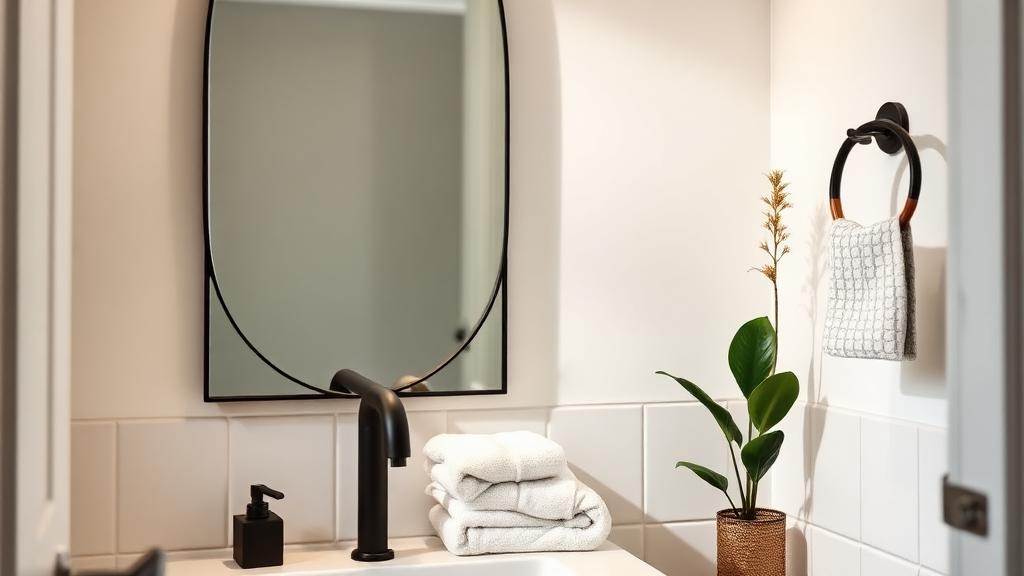
Bathrooms feel dated for a small, repeatable set of reasons: dingy grout, old hardware, harsh or yellow lighting, and a lack of a defined color scheme. A full remodel fixes all of it at once but at a cost most budgets don't have room for. Isolating and fixing the specific culprits gets most of the visual benefit for a fraction of the price.
Diagnose before you spend
- Is the tile itself dated, or is it clean tile with dark, stained grout making it look dirty?
- Is the vanity outdated, or is it fine hardware and a fresh coat of paint away from looking current?
- Is the lighting unflattering because of fixture style, or because of bulb color temperature?
- Is there visible mold or water damage that needs remediation before any cosmetic work makes sense?
Regrouting: the most underrated bathroom fix
Grout darkens and stains long before the tile itself looks bad, and a lot of 'the tile looks old' complaints are actually grout complaints. Regrouting or using a grout pen/refresh product on otherwise sound tile can visually reset a whole shower or floor for a fraction of retiling cost, and it's a realistic weekend DIY project with the right tools.
| Fix | Approx. cost | Impact |
|---|---|---|
| Regrout or grout-refresh existing tile | $30-100 in materials | High if grout is the main issue |
| Repaint vanity and swap hardware | $60-150 | High, especially with dated wood-tone cabinets |
| Replace vanity light fixture | $60-200 | High — corrects unflattering, dated lighting |
| New mirror (frameless to framed, or updated style) | $50-200 | Medium to high — mirrors read as a focal point |
| Recaulk tub and sink | $10-20 | Medium — removes visible black mold lines |
| New shower curtain or glass film for a dated door | $20-80 | Medium — quick visual reset |
Lighting: the fastest fix nobody tries
Bathroom lighting is frequently a single dim or yellow-toned fixture over the mirror, which flattens everything else in the room. Swapping to a brighter fixture with a neutral-to-warm color temperature (around 3000-3500K) and adding sconces on either side of the mirror rather than only above it removes shadows and makes the whole space read cleaner without touching a single surface.
What's not worth doing halfway
- Painting over failing or moldy grout instead of addressing the underlying moisture issue.
- Replacing a shower door or curtain rod without fixing the water damage that caused the original wear.
- A partial tile replacement that doesn't match the existing tile's discontinued pattern or color.
Small hardware details compound the effect of bigger changes — a matching towel bar, hook, and toilet paper holder in the same finish as a new light fixture reads as a coordinated update, while mismatched leftover hardware undercuts even a well-done regrout or paint job.
A worked example: where $300 goes furthest
Split three ways, $300 might cover recaulking the tub ($15), regrouting the shower floor and lower wall ($80), and a new vanity light bar with a neutral 3000-3500K bulb set ($150), leaving roughly $55 for hardware. That combination fixes the two most common 'dated bathroom' signals — dark grout lines and flat yellow lighting — for less than a single line item in a full remodel quote.
How far a tube of grout or caulk actually goes
A standard 10.5 oz tube of caulk covers roughly a 25-foot bead at a quarter-inch width, which is enough for a tub perimeter with some left over — most bathrooms need one tube, not several. Pre-mixed grout refresh products typically cover 20-40 square feet per quart depending on how wide the grout lines are, so a standard 5-by-8 shower usually needs one quart, not a full bucket meant for a whole-house retile. Buying in these small, accurately sized quantities keeps the $30-100 grout line item realistic instead of overbuying materials that then sit unused.
Common mistakes
- Recaulking directly over old caulk instead of fully scraping it off, which traps mold underneath and fails within months.
- Choosing a bright white cool-toned bulb expecting it to look 'clean,' when it often reads as harsh and clinical instead.
- Regrouting without addressing an active leak, so the same staining returns within a year.
- Replacing a mirror or fixture without checking it fits the existing electrical box or mounting bracket first.
- Trying to match a discontinued tile pattern with a partial replacement instead of accepting a full-wall reset or a grout-only fix.
Can I paint bathroom tile instead of replacing it?
Epoxy tile paint exists and can work as a temporary fix, but it wears faster than real tile refinishing and is best treated as a short-term measure rather than a lasting solution, especially in a shower.
What color temperature bulb is best for a bathroom mirror?
Around 3000-3500K gives a flattering, neutral-warm light for grooming tasks. Very warm bulbs (2700K and below) can look yellow and muddy skin tones; very cool bulbs (5000K+) can look clinical and harsh.
Is it worth regrouting if the tile itself is dated?
If the tile color or pattern is the actual complaint, regrouting won't fix that. It's most worth doing when the tile is otherwise fine and grime or discoloration in the grout lines is the visible problem.
Run the numbers for your own project
- Project Cost EstimatorWhat will this project cost me?
- Paint CalculatorHow much paint do I need for this room?
Keep reading
- How Much Paint Do You Actually Need for a Room?The tin says 400 square feet. Your wall says otherwise. Here is the arithmetic that actually holds up.
- DIY or Hire a Pro? A Decision Framework That Is Not About MoneyThe labour saving is real. So is the cost of a job done twice — and of tools you use once.
- Storage for Small Rooms That Does Not Make Them SmallerSmall rooms do not need more storage. They need storage that stops interrupting the eye.