Basement Waterproofing: Matching the Fix to the Actual Problem
By Jim Vernon · 4 min read · Last updated
The most expensive basement waterproofing mistake is buying a fix for the wrong kind of water problem.
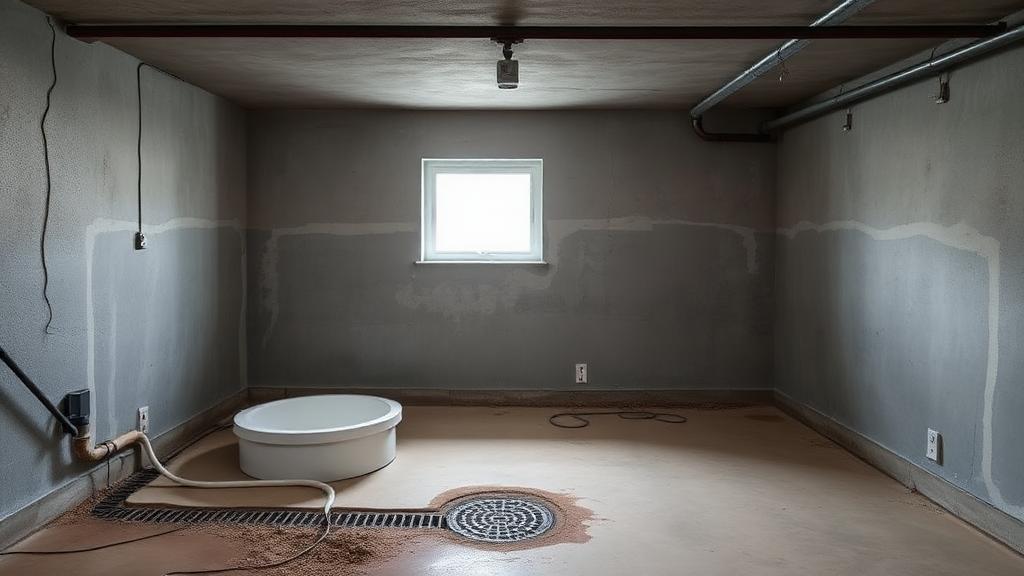
'Basement waterproofing' covers several distinct problems with different fixes, and a solution aimed at the wrong one can look successful for a season and then fail. Diagnosing where the water is actually coming from should come before choosing a product or contractor.
Diagnose the water source first
- Damp walls with no visible flow, worse after rain: usually condensation or minor moisture wicking through porous concrete, not active water intrusion.
- Water seeping in along the floor-wall joint: often hydrostatic pressure pushing groundwater in around the footing, common after heavy or prolonged rain.
- Water entering through visible cracks in the wall: could be hydrostatic pressure, settling cracks, or both.
- Water pooling from a specific spot, especially near a window well or where a downspout discharges: usually a grading or drainage problem at the surface, not a foundation failure.
Start outside, work in — the cheapest fixes are often outdoors
Grading and downspout extensions solve a surprising share of basement moisture problems for a fraction of the cost of interior or exterior waterproofing systems. The ground should slope away from the foundation for at least 6-10 feet where possible, and downspouts should discharge well past that slope rather than right at the foundation wall.
| Method | What it addresses | Approx. relative cost |
|---|---|---|
| Grading and downspout extensions | Surface water directed away from foundation | Low |
| Interior sealant/paint on walls | Minor dampness, cosmetic moisture (not active leaks) | Low |
| Interior French drain + sump pump | Groundwater seeping in at floor-wall joint | Medium-High |
| Exterior excavation + membrane waterproofing | Hydrostatic pressure, wall cracks, chronic seepage | High |
| Crack injection (epoxy or polyurethane) | Specific structural or non-structural cracks | Low-Medium per crack |
Interior drainage systems (French drain + sump pump)
An interior French drain sits along the perimeter of the basement floor, collecting water that seeps in at the floor-wall joint and channeling it to a sump pit, where a sump pump discharges it away from the house. This manages the symptom effectively and is much less disruptive to install than exterior excavation, but it doesn't stop water from entering the wall — it manages it once inside.
Exterior waterproofing
Excavating around the foundation to apply a waterproof membrane and often install exterior drainage tile addresses the water before it reaches the wall at all, which is the more thorough fix for chronic hydrostatic pressure issues. It's disruptive (landscaping, walkways, and sometimes decks may need to come out) and considerably more expensive, which is why it's usually reserved for cases where interior methods and grading fixes haven't solved the problem.
Sump pump reliability matters as much as installation
A sump pump is only as reliable as its power supply and its backup plan. A battery backup sump pump or a water-powered backup is worth the cost in any home that depends on a sump pump, since basement flooding often happens during storms that also cause power outages.
When to bring in a foundation or waterproofing specialist
Cracks wider than about 1/4 inch, cracks that are horizontal or stair-stepped rather than vertical, or any sign of wall bowing or bulging point to a structural issue that needs a structural engineer's assessment, not just a waterproofing contractor. Get a second opinion before committing to a large exterior waterproofing project, since diagnoses and recommended scope vary significantly between contractors.
A worked example: grading fix vs. full waterproofing
A basement with mild, rain-correlated seepage traced to a downspout discharging right against the foundation can often be fixed with a $30-60 downspout extension and an afternoon of regrading soil against the wall — compared to $8,000-15,000+ for exterior excavation waterproofing. Trying the cheap fix first and monitoring through a few rain events before spending on a larger system is the financially sound order of operations.
- Common mistake: jumping straight to an expensive exterior waterproofing quote before ruling out grading and downspout issues, which are far cheaper to fix.
- Common mistake: painting over active seepage with a waterproof coating, which doesn't stop water under real pressure and can trap moisture behind it.
- Common mistake: installing a sump pump with no battery or water-powered backup, leaving it useless during the power outages that often accompany the storms that cause flooding.
- Common mistake: ignoring a horizontal or stair-step crack because it looks similar to a harmless vertical settling crack.
- Common mistake: choosing a contractor based on the cheapest quote without confirming they diagnosed the actual water source rather than just proposing their standard product.
Is exterior waterproofing always better than interior?
It's more thorough for hydrostatic pressure issues but not always necessary. Many basements with floor-wall seepage are managed successfully and permanently with an interior French drain and sump pump at a fraction of the cost and disruption.
Can I fix a foundation crack myself?
Small, stable, non-structural cracks can sometimes be sealed with an epoxy or polyurethane injection kit. Any crack that's growing, wide, or accompanied by wall movement should be evaluated by a professional before any DIY repair.
How much does grading and downspout work typically solve on its own?
For basements with only mild, rain-correlated seepage, correcting grading and downspout discharge often resolves the issue entirely and should be tried first before spending on drainage systems.
Does a sump pump need a backup power source?
Strongly recommended — a battery backup or water-powered backup keeps the pump running during a power outage, which is exactly when storm-driven flooding is most likely to occur.
How can I tell if a wall crack is structural?
Vertical, hairline, stable cracks are usually just concrete shrinkage and are lower concern. Horizontal cracks, stair-step cracks in block walls, or any crack accompanied by visible bowing or bulging should be evaluated by a structural engineer.
Run the numbers for your own project
- Project Cost EstimatorWhat will this project cost me?
- Home Air Quality and Ventilation CalculatorDoes my home get enough fresh air ventilation?
Keep reading
- How Much Paint Do You Actually Need for a Room?The tin says 400 square feet. Your wall says otherwise. Here is the arithmetic that actually holds up.
- DIY or Hire a Pro? A Decision Framework That Is Not About MoneyThe labour saving is real. So is the cost of a job done twice — and of tools you use once.
- Storage for Small Rooms That Does Not Make Them SmallerSmall rooms do not need more storage. They need storage that stops interrupting the eye.