Flooring
Engineered Wood Flooring
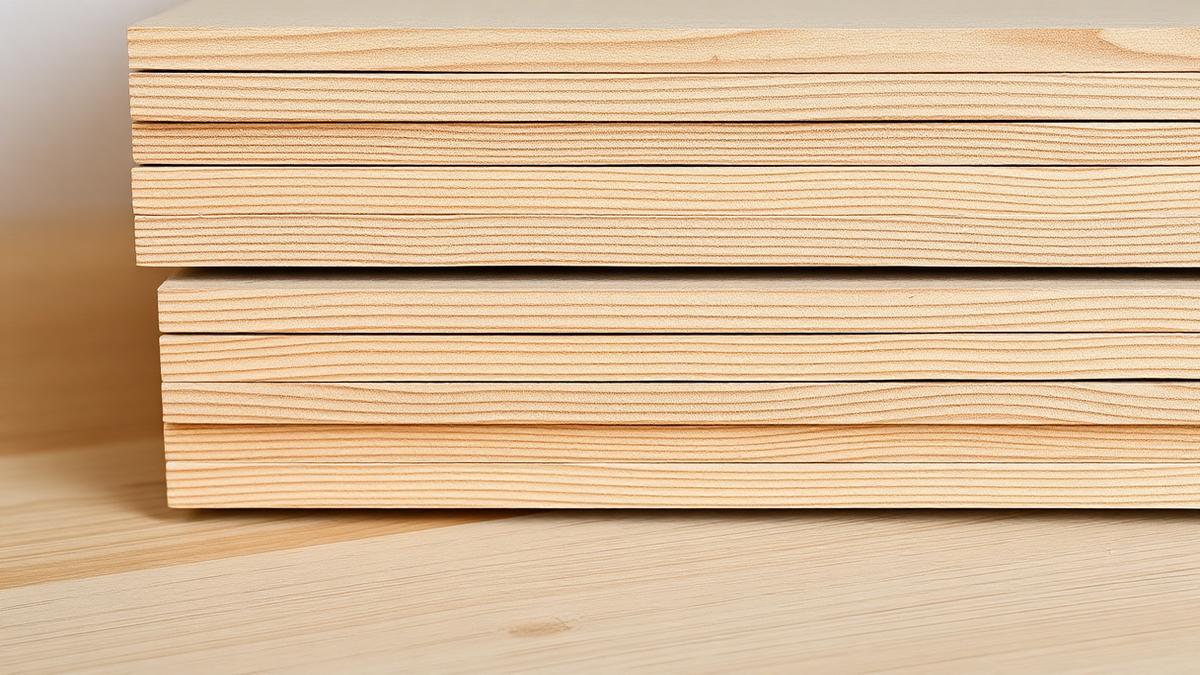
A real hardwood veneer bonded to a plywood core, giving the look of solid wood with more dimensional stability.
Best for
- Rooms over concrete slabs
- Homes with underfloor heating
- Anywhere solid wood is desired but moisture movement is a risk
Avoid when
- Very high moisture areas like bathrooms
- Budgets that can't stretch past laminate or LVT
Veneer thickness determines lifespan
A veneer of 0.6mm can never be sanded; 2mm-4mm can typically be refinished once or twice. Check this figure specifically — it is the single biggest driver of how long the floor will look good.
Why it suits underfloor heating
The plywood core resists the expansion and contraction that can cup or gap solid wood under sustained heat, making engineered board the safer choice over underfloor systems.
Put this into practice
- Flooring CalculatorHow many boxes of flooring should I buy?
More material guides
- Laminate FlooringA photographic wood or stone image layer fused under a hard, clear wear layer over a fibreboard core — durable and inexpensive.
- Luxury Vinyl Tile (LVT)A fully waterproof, resilient plastic-composite flooring that mimics wood or stone, sold as planks or tiles.
- Cork FlooringA renewable flooring made from the bark of cork oak trees, offering natural cushioning, sound dampening, and thermal warmth underfoot.