Repairs
Sediment at the Bottom of a Water Heater Is Quietly Costing You Money
An unflushed water heater tank can lose a meaningful share of its efficiency to a layer of sediment most people never see.
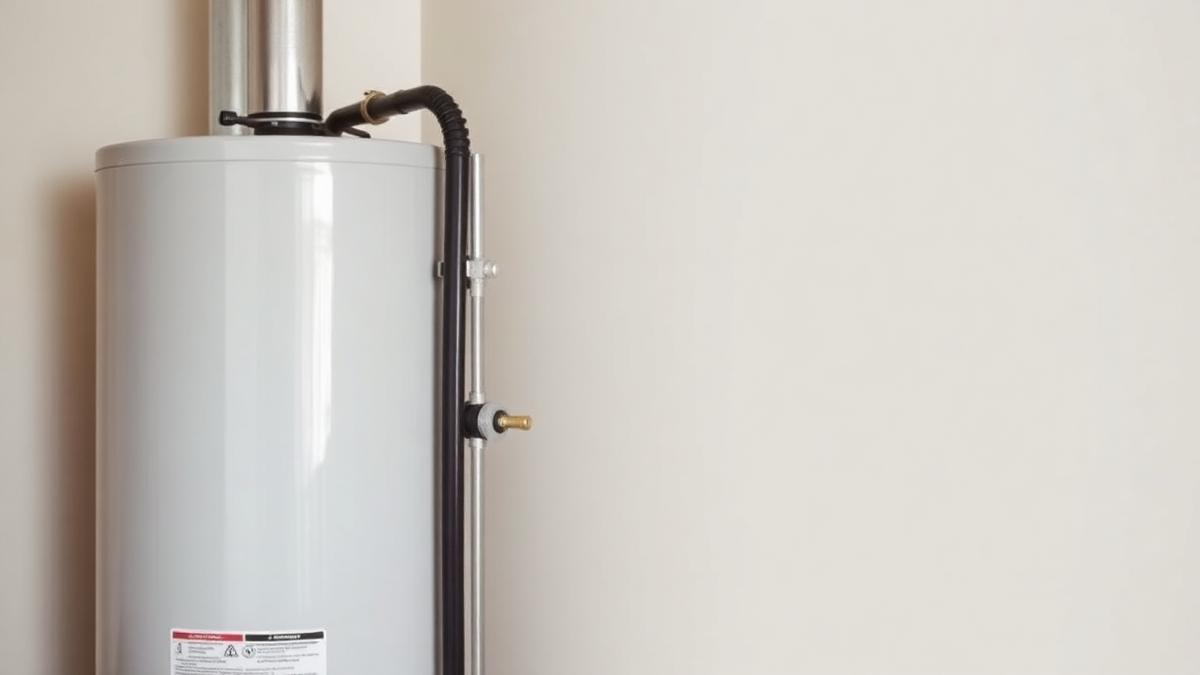
Hard water carries dissolved calcium and magnesium that settle to the tank bottom over months and years as sediment. In gas water heaters, that layer sits directly between the burner and the water, acting as insulation and forcing the burner to run longer to reach set temperature — it can also cause the tank bottom to overheat and fail early. In electric heaters, sediment buries the lower element, causing it to cycle on and off against a insulating crust.
Manufacturers recommend flushing a few gallons from the drain valve every few months and a full flush annually in hard-water areas. A rumbling or popping sound from the tank is sediment being disturbed by the burner or element — a fairly reliable sign it's overdue.
Written and reviewed by Jim Vernon, editor of Home & Garden Answers · Last updated
Put this into practice
More facts like this
- More Drywall Screws Make a Weaker WallA drywall screw holds through the paper face, not the gypsum core. Drive it a fraction too deep and its holding power drops to near zero.
- A Clogged Gutter Does More Damage to the Foundation Than the RoofThe roof usually survives a clogged gutter. The foundation, sitting right where the overflow lands, does not.
- Dishwasher Salt and Dishwasher Detergent Do Different JobsPouring detergent into the salt reservoir, or skipping salt because the detergent claims to be 'all-in-one,' leaves hard-water spotting uncured in most machines.