Tiling
Large Tiles Need a Flatter Floor Than Small Ones
A large-format tile cannot flex over a hump. Anything over 400 mm needs the substrate flat to about 3 mm over 3 m, or the edges stand proud.
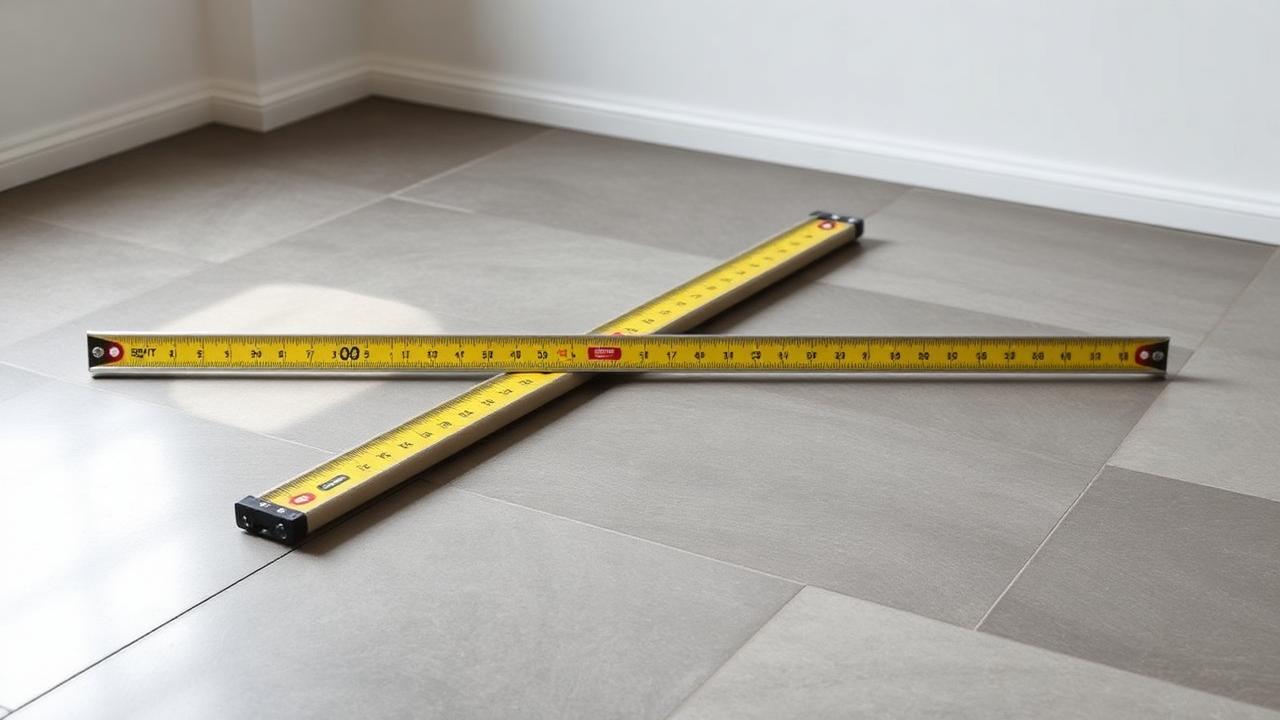
Lippage — one tile edge sitting higher than its neighbour — is geometry, not workmanship. A rigid tile spans any dip in the substrate, so it tilts to whatever plane its high points define. The longer the tile, the further that tilt is carried and the taller the resulting step at the joint.
Small mosaics conform because each piece only spans a few centimetres. Large-format porcelain does not, which is why levelling compound and a flatness check are non-negotiable before big tiles go down, and why levelling clips exist at all.
Written and reviewed by Jim Vernon, editor of Home & Garden Answers · Last updated
Put this into practice
- Tile and Grout CalculatorHow many tiles, and how much adhesive and grout?
- Flooring CalculatorHow many boxes of flooring should I buy?
More facts like this
- Grout Joint Width Changes How Many Tiles You NeedTile quantity is calculated on tile size plus joint, not tile size — a detail that quietly changes the order on any large floor.
- Grout Cracks at Corners Because It's Rigid on Purpose — Caulk Isn'tGrouting a tub-to-tile corner instead of caulking it guarantees a crack within a season or two, no matter how carefully it's applied.
- Grout Sealer Wears Off Long Before It Looks Like It HasShower grout sealed once at installation and never again is typically unprotected within a year, well before it shows visible staining.