Tiling
Grout Sealer Wears Off Long Before It Looks Like It Has
Shower grout sealed once at installation and never again is typically unprotected within a year, well before it shows visible staining.
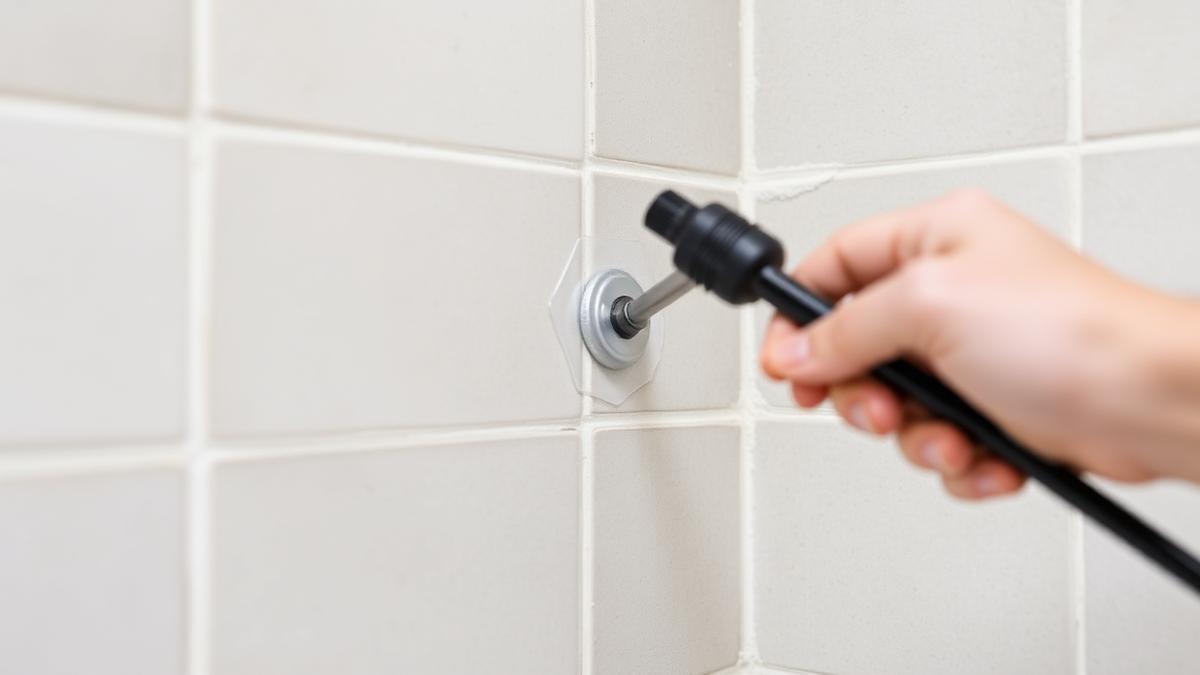
Sealer sits on and just inside the porous surface of grout, blocking water and soap scum from soaking in. Daily shower use, along with the mild abrasion of regular cleaning, wears that layer down gradually and invisibly — there's no clear visual cue that sealer has failed the way there is with, say, a worn car wax. By the time grout visibly darkens or grows mildew, the protective layer has usually been gone for a while.
A simple test: drip water onto the grout line. If it beads, sealer is still active; if it soaks in and darkens the grout within a minute, it's time to reseal. Most shower grout needs resealing every 6-12 months depending on use.
Written and reviewed by Jim Vernon, editor of Home & Garden Answers · Last updated
Put this into practice
- Tile and Grout CalculatorHow many tiles, and how much adhesive and grout?
More facts like this
- Grout Joint Width Changes How Many Tiles You NeedTile quantity is calculated on tile size plus joint, not tile size — a detail that quietly changes the order on any large floor.
- Large Tiles Need a Flatter Floor Than Small OnesA large-format tile cannot flex over a hump. Anything over 400 mm needs the substrate flat to about 3 mm over 3 m, or the edges stand proud.
- Grout Cracks at Corners Because It's Rigid on Purpose — Caulk Isn'tGrouting a tub-to-tile corner instead of caulking it guarantees a crack within a season or two, no matter how carefully it's applied.