Watering
Collecting Rainwater Is Restricted or Regulated in More Places Than People Expect
In parts of the western United States and several other countries, setting up a large rain barrel system isn't automatically legal without checking local water rights rules first.
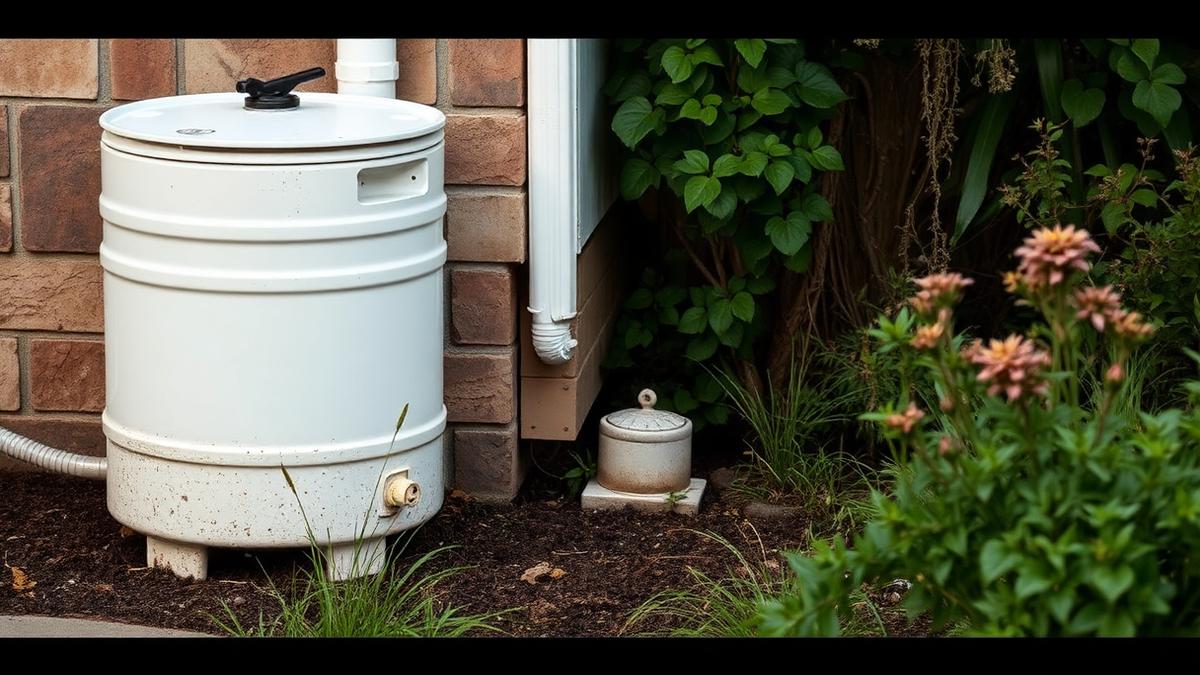
Most water rights law was written around the idea that rain falling on your property eventually flows into a stream or aquifer that someone downstream already holds a legal right to use. Some states and countries built rules around that principle, capping how much rainwater a property owner can collect and store, or requiring registration or a permit above a certain barrel capacity. Other places actively encourage rainwater harvesting with rebates and have no such caps at all — the rules genuinely vary by jurisdiction rather than following one national standard.
For small residential rain barrels under roughly 50-100 gallons, most places have no restriction at all; it's larger cistern systems, especially ones intended to supply substantial irrigation or household use, where checking local regulation is worth the ten minutes it takes.
Written and reviewed by Jim Vernon, editor of Home & Garden Answers · Last updated
Put this into practice
- Plant Watering CalculatorHow often and how much should I water this plant?
More facts like this
- Evening Watering Is Not Always the Safer ChoiceWatering at dusk saves water but can cost you the plant: wet leaves overnight are the single biggest invitation to fungal disease.
- Frequent Light Watering Trains Roots to Stay ShallowA short daily sprinkle wets only the top few centimetres and teaches roots to stay there — creating the dependency it seems to solve.
- 'Native' Doesn't Automatically Mean 'Drought Tolerant'Swapping in native plants for water savings only works if the specific natives chosen are adapted to dry conditions, not just adapted to the region generally.