Watering
'Native' Doesn't Automatically Mean 'Drought Tolerant'
Swapping in native plants for water savings only works if the specific natives chosen are adapted to dry conditions, not just adapted to the region generally.
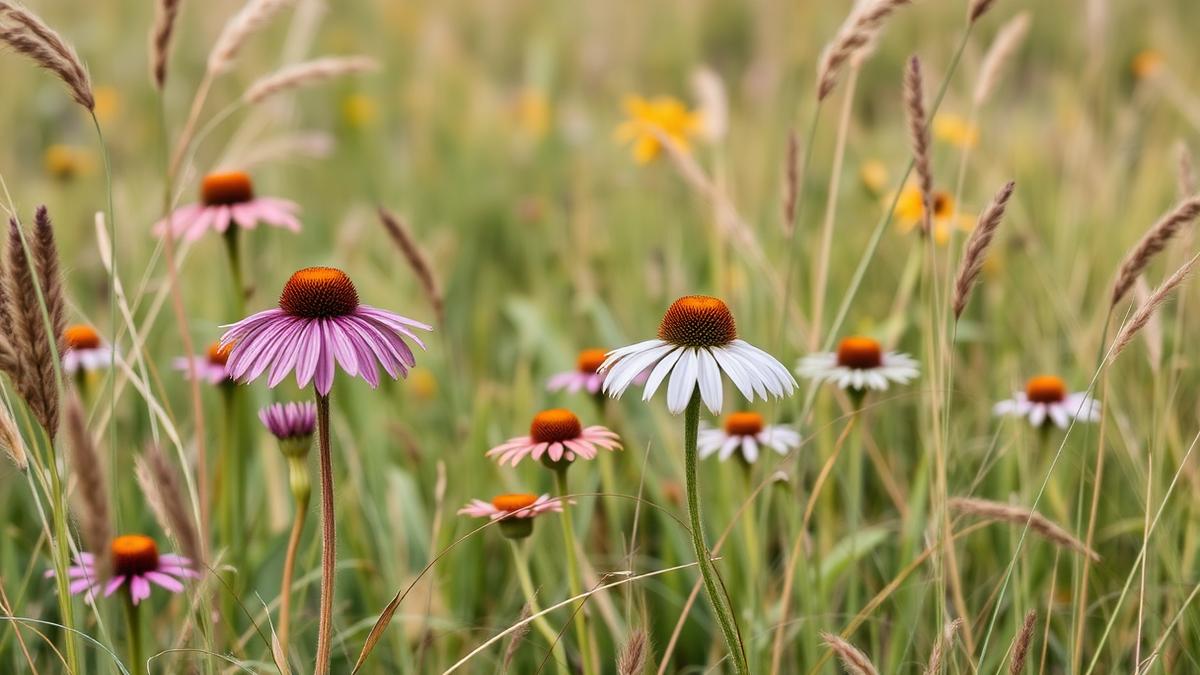
'Native' describes a plant's evolutionary origin in a region, not a single trait like drought tolerance. Many regions include a range of microhabitats — streambanks, wet meadows, seasonal floodplains — and native species from those niches need just as much water as many non-native ornamentals, sometimes more. A wetland-native fern planted in a raised, sunny bed will struggle regardless of its native status.
The water-saving benefit of native planting comes specifically from choosing natives adapted to dry, well-drained conditions within that region — prairie and chaparral species, for instance — and matching them to a similarly dry spot in the garden. Regional native plant society lists usually flag moisture needs per species for exactly this reason.
Written and reviewed by Jim Vernon, editor of Home & Garden Answers · Last updated
Put this into practice
- Plant Watering CalculatorHow often and how much should I water this plant?
More facts like this
- Evening Watering Is Not Always the Safer ChoiceWatering at dusk saves water but can cost you the plant: wet leaves overnight are the single biggest invitation to fungal disease.
- Frequent Light Watering Trains Roots to Stay ShallowA short daily sprinkle wets only the top few centimetres and teaches roots to stay there — creating the dependency it seems to solve.
- Collecting Rainwater Is Restricted or Regulated in More Places Than People ExpectIn parts of the western United States and several other countries, setting up a large rain barrel system isn't automatically legal without checking local water rights rules first.