Growing
Deadheading Doesn't Make a Plant Bloom Again — It Stops It From Setting Seed
Deadheading doesn't trigger extra flowering directly — it removes the seed-production sink that would otherwise consume the plant's energy instead.
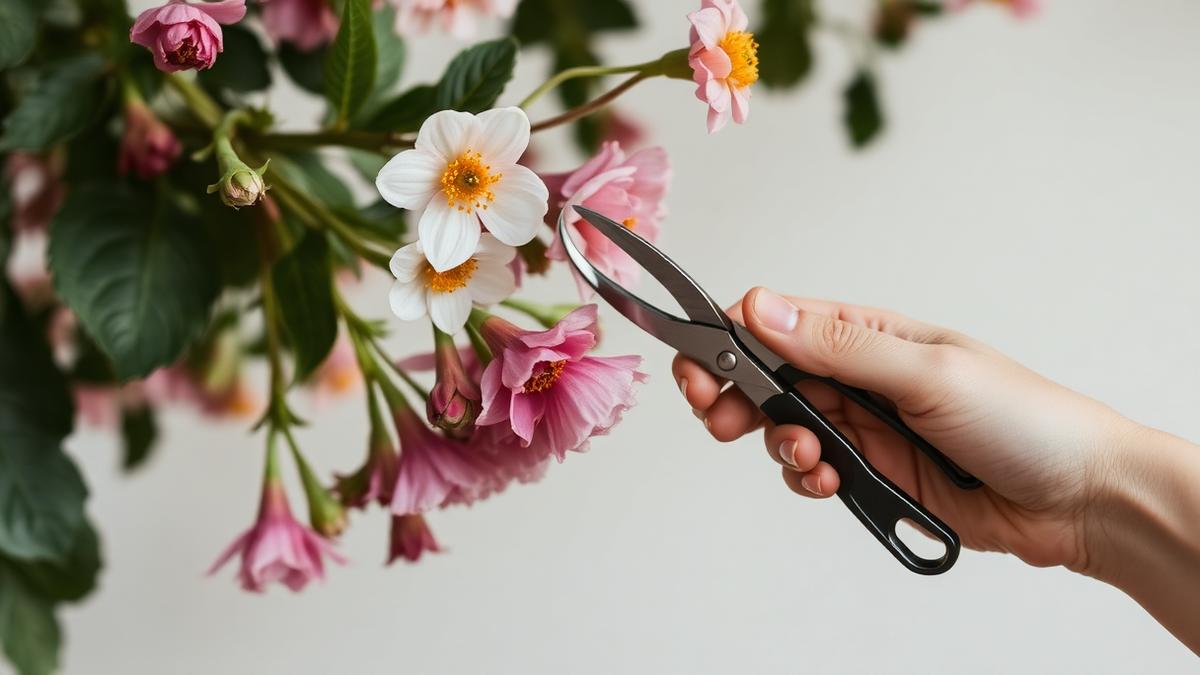
Once a flower is pollinated and starts forming seed, a plant devotes substantial energy to developing that seed to maturity — often more energy than producing the flower itself took. Left on the plant, that ongoing seed development is a strong biochemical signal that also suppresses new flower bud formation in many repeat-blooming species. Removing the spent flower before seed sets eliminates that sink and that suppressive signal, so the plant redirects resources into new vegetative and flower growth instead.
Not every plant responds the same way — many spring bulbs and one-time bloomers won't rebloom no matter what, since they're genetically programmed for a single flowering flush regardless of deadheading. It works best on repeat-blooming perennials and annuals bred for continuous flowering, like roses, cosmos, and salvia.
Written and reviewed by Jim Vernon, editor of Home & Garden Answers · Last updated
Put this into practice
More facts like this
- Most Companion Planting Folklore Has No Evidence — A Few Pairings DoMechanisms like shade, trap cropping, and physical barriers hold up in trials; vague 'improves flavour' claims do not.
- Removing Tomato Suckers Is a Trade, Not a Free UpgradeAggressively suckering an indeterminate tomato produces bigger fruit sooner, at the direct cost of the leaf cover that prevents sunscald.
- Marigolds Don't Repel Most Garden Pests the Way Gardeners AssumeThe marigold pest-repellent reputation is a real, narrow finding stretched into a much bigger claim than the evidence supports.