Garden chart
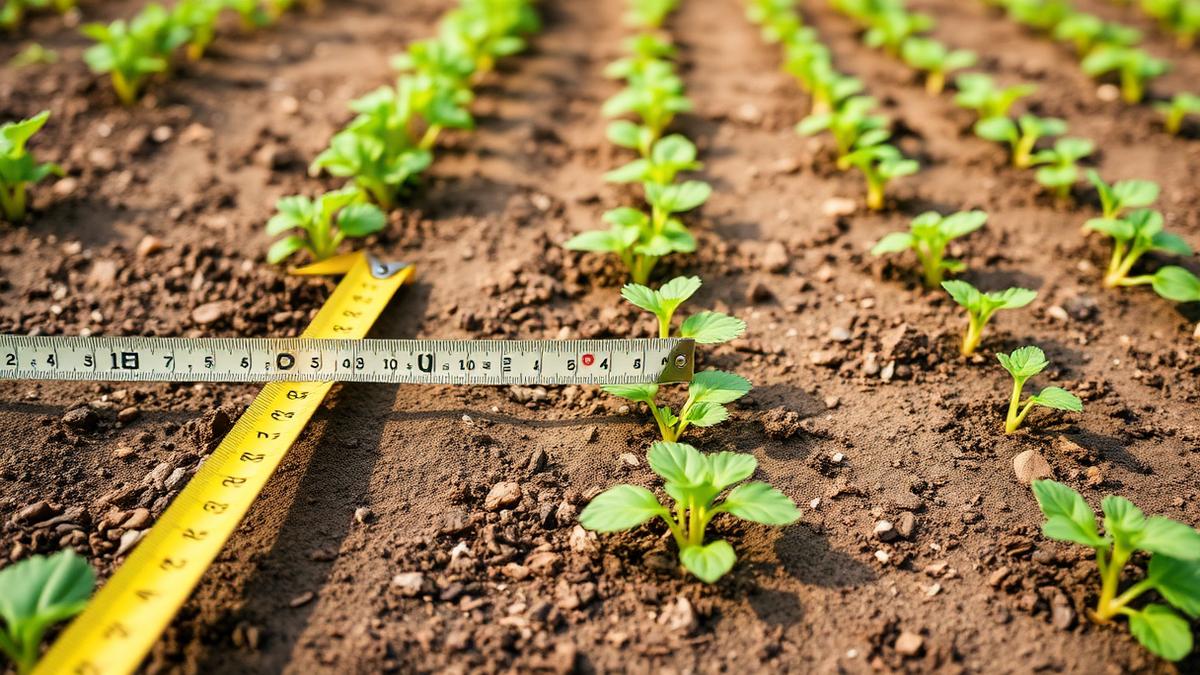
Vegetable Spacing Chart: In-Row and Between-Row Distances
Spacing is a trade-off between yield per plant and yield per square foot. Wider spacing gives you bigger individual plants and easier airflow (less disease); tighter spacing gives you more food from the same bed but more competition for water and nutrients. The numbers below are good defaults for average garden soil; loosen them further in dense clay and you can tighten them slightly in loose, well-fed raised-bed mix.
| Vegetable | In-row spacing | Between rows | Notes |
|---|---|---|---|
| Tomato (indeterminate) | 24–36 in | 36–48 in | Stake or cage; crowding invites blight |
| Tomato (determinate/bush) | 18–24 in | 30–36 in | Compact habit tolerates tighter spacing |
| Pepper | 12–18 in | 24–30 in | Closer spacing shades fruit from sunscald |
| Bush bean | 3–4 in | 18–24 in | Thin after germination, don't transplant |
| Pole bean | 4–6 in | 30–36 in | Needs trellis or pole 6+ ft tall |
| Carrot | 2–3 in | 12–18 in | Thin seedlings; crowded roots stay stubby |
| Beet | 3–4 in | 12–18 in | Thin twice; thinnings are edible greens |
| Lettuce (head) | 10–12 in | 12–18 in | Loose-leaf types can go tighter, 6–8 in |
| Spinach | 3–4 in | 12–14 in | Bolts fast in heat regardless of spacing |
| Broccoli | 18–24 in | 24–36 in | Needs room for side-shoot production |
| Cabbage | 18–24 in | 24–36 in | Large heads need full spacing to size up |
| Cucumber (vining) | 12 in on trellis | 48–60 in on ground | Trellising cuts footprint dramatically |
| Zucchini/summer squash | 24–36 in | 36–48 in | One or two plants feed a family |
| Winter squash/pumpkin | 36–48 in | 60–96 in | Vines sprawl far; plan for it |
| Onion (bulb) | 4–6 in | 12–18 in | Closer spacing yields smaller bulbs |
| Garlic | 4–6 in | 12–18 in | Plant cloves pointed end up, 2 in deep |
| Corn | 8–12 in | 30–36 in | Plant in blocks of 4+ rows for pollination |
| Radish | 1–2 in | 6–12 in | Fast crop; good for succession sowing |
| Kale | 12–18 in | 18–24 in | Wider spacing extends harvest window |
| Potato | 10–14 in | 30–36 in | Hill soil over stems as they grow |
Notes
- Square-foot gardening uses different math — it assigns each crop a number of plants per 12x12 in square rather than a linear row spacing.
- In raised beds with amended soil, you can generally use the tighter end of each range because roots don't have to search as far for nutrients.
- Spacing too tight is the single most common cause of powdery mildew and blight in home vegetable gardens because airflow drops.
Put this into practice
- Garden Bed Plant SpacingHow many plants fit in my bed?
- Companion Planting ChartWhat should I plant next to this crop?
- What to Plant This MonthWhat can I plant right now where I live?
More charts like this
- Seed Sowing Depth Chart by Vegetable and FlowerHow deep to sow common vegetable and flower seeds directly in the garden, plus days to germination as a rule of thumb.
- Mulch Coverage Chart: Square Feet per Cubic Yard by DepthHow much area one cubic yard of mulch covers at common application depths, plus recommended depth by mulch type.
- Houseplant Light Level Chart by Window ExposureHow to translate 'low, medium, bright indirect, and direct light' plant-care labels into actual window direction and distance.