Garden chart
Mulch Coverage Chart: Square Feet per Cubic Yard by Depth
One cubic yard is 27 cubic feet. Divide 27 by your intended depth (in feet) to get coverage in square feet — the table does that math for the depths gardeners actually use. Going deeper isn't free coverage, it's fewer square feet per yard, so pick the shallowest depth that still suppresses weeds for your mulch type.
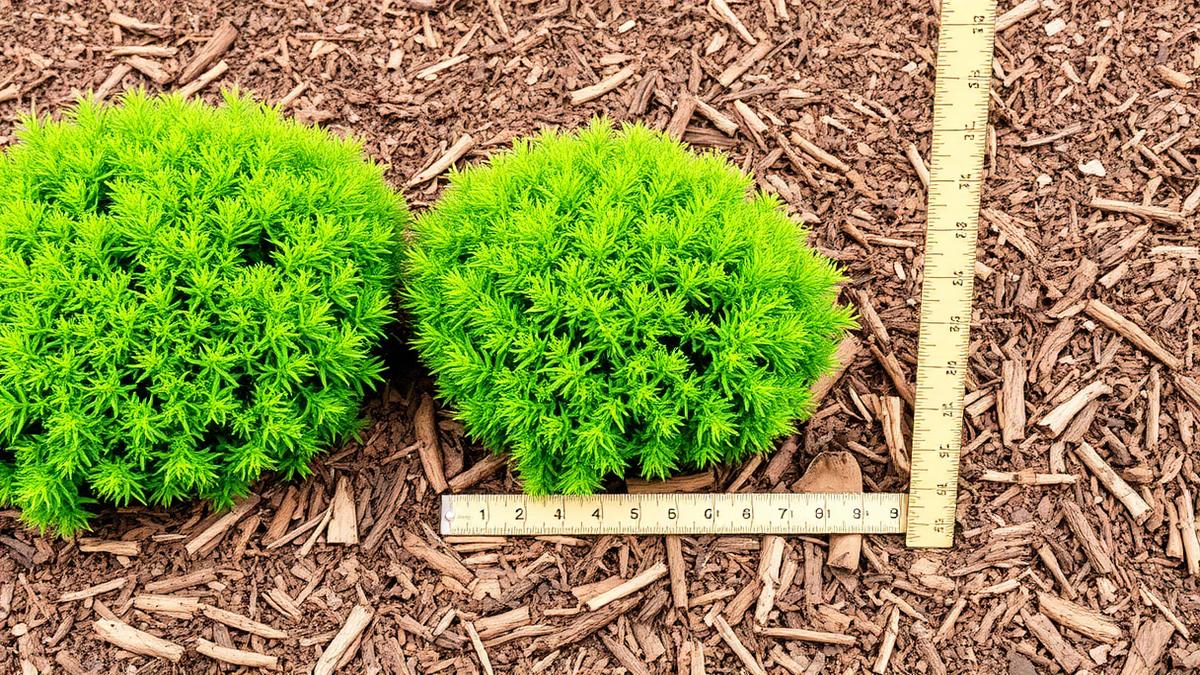
| Depth | Coverage per cubic yard | Coverage per cubic foot | Typical use |
|---|---|---|---|
| 1 in | 324 sq ft | 12 sq ft | Fine compost top-dressing |
| 2 in | 162 sq ft | 6 sq ft | Minimum for basic weed suppression |
| 3 in | 108 sq ft | 4 sq ft | Standard depth for bark and wood mulch |
| 4 in | 81 sq ft | 3 sq ft | Heavier weed pressure, shredded hardwood |
| 6 in | 54 sq ft | 2 sq ft | Playground safety surfacing only |
Notes
- Keep mulch 2–3 inches away from tree trunks and stems — piling it against bark ('mulch volcanoes') traps moisture and invites rot and pests.
- Shredded hardwood settles and mats, so it can go slightly deeper (3–4 in); light materials like straw or pine straw need more depth for the same suppression.
- Bagged mulch is usually sold in 2 cubic foot bags — 13.5 bags make one cubic yard.
Put this into practice
- Mulch CalculatorHow much mulch do I need for my beds?
More charts like this
- Vegetable Spacing Chart: In-Row and Between-Row DistancesRecommended in-row and between-row spacing for the most commonly grown vegetables, in a raised bed or a traditional row garden.
- Seed Sowing Depth Chart by Vegetable and FlowerHow deep to sow common vegetable and flower seeds directly in the garden, plus days to germination as a rule of thumb.
- Houseplant Light Level Chart by Window ExposureHow to translate 'low, medium, bright indirect, and direct light' plant-care labels into actual window direction and distance.