The Spring Home Checklist That Catches What Winter Broke
By Jim Vernon · 4 min read · Last updated
Winter doesn't announce its damage. Spring is when you find out what it did.
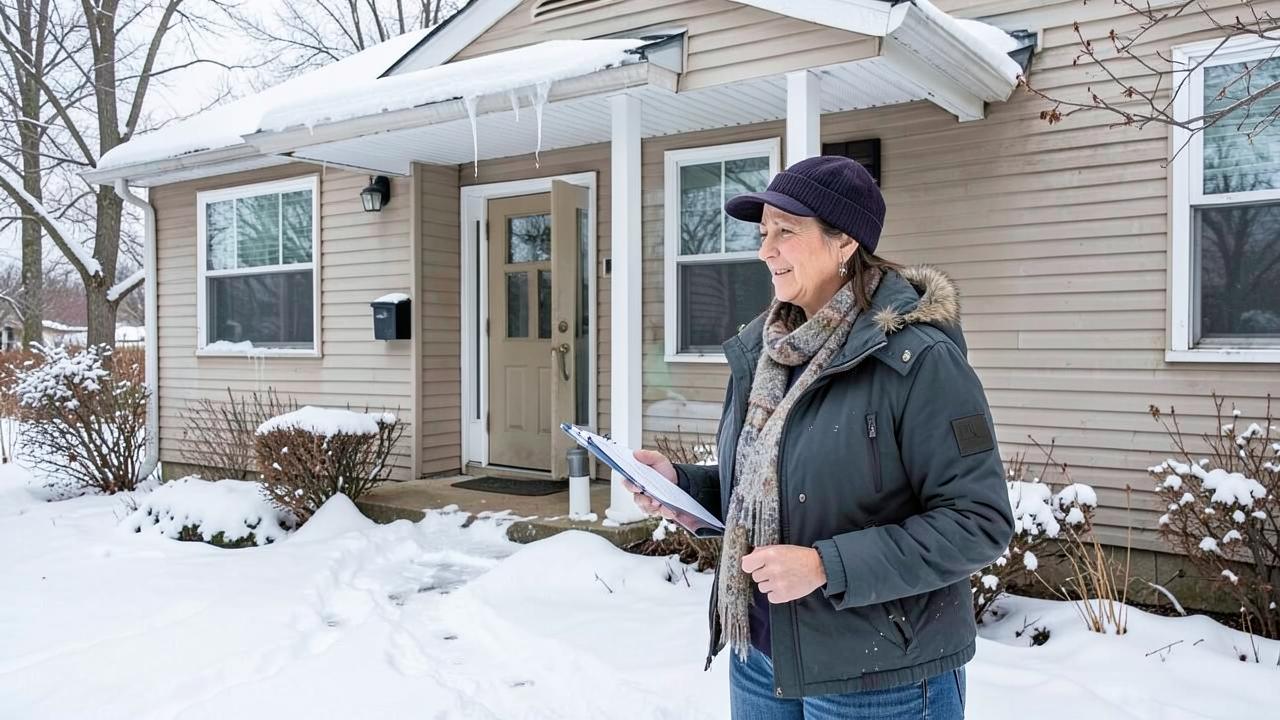
A spring home checklist after a hard winter should start outside and work inward: roof and gutters first, then foundation and grading, then reactivating outdoor plumbing and irrigation, and finally exterior surfaces like paint and deck boards. Winter freeze-thaw cycles cause damage that's invisible until spring thaw reveals it as leaks, cracks, or standing water.
What should you check on the roof and gutters first?
Walk the perimeter and look up for missing, curled, or granule-bare shingles, and check gutters for sagging sections or separated joints caused by the weight of snow and ice. Inside, scan ceilings and attic rafters for new water stains that weren't there in fall — a stain the size of a dinner plate usually means an active or recently active leak, not old damage.
How do you know if winter cracked the foundation or driveway?
Freeze-thaw cycles expand existing hairline cracks in concrete and masonry, so compare foundation cracks to photos from last fall if you have them, or simply look for cracks wider than 1/8 inch or ones you can slide a credit card into — those warrant a mason's opinion. On driveways and walkways, spalling (flaking, pitted concrete surface) after a winter of de-icing salt is common and cosmetic in mild cases, but a heaved slab that's shifted more than an inch is a trip hazard worth addressing before summer.
| Area | What to look for | Action if found |
|---|---|---|
| Roof | Missing/curled shingles, granules in gutters | Patch or call a roofer before spring storms |
| Gutters | Sagging, pulled fasteners, ice-dam marks | Re-fasten, clean, check slope |
| Foundation | New or widened cracks, efflorescence | Monitor with tape test; call a structural pro if growing |
| Driveway/walks | Spalling, heaving, new cracks | Cosmetic sealants for spalling; leveling for heaving |
| Outdoor faucets | Won't shut off fully, drips after winter | Replace washer or valve before heavy spring use |
When is it safe to turn irrigation and outdoor water back on?
Wait until nighttime lows are reliably above freezing for at least a week — turning water back into a line that still sees a hard frost risks a repeat of the exact damage you drained the system to prevent. Before turning the main valve on, open it slowly and check each zone or hose bib for drips at joints; a slow leak found in April is a quick fix, the same leak ignored until June is a wet patch of lawn and a higher water bill.
What outdoor and garden tasks belong on the same list?
- Rake and remove matted leaves and debris from lawns before mowing to prevent smothered, dead patches.
- Cut back winter-damaged perennial stems once new growth shows at the base.
- Check trees for split or broken branches from ice or wind load and prune cleanly before leaf-out.
- Re-edge garden beds and top up mulch that washed away or thinned over winter.
- Inspect fence posts and gates for frost heave that's shifted them out of plumb.
How long does a thorough spring check take?
Budget a full weekend for the first pass: roughly 2-3 hours for the roof, gutter, and exterior walk-around, an hour for foundation and driveway inspection, an hour to reactivate and test outdoor plumbing, and the rest for yard cleanup. Homes in regions with harsh winters — heavy snow load, repeated freeze-thaw, or de-icing salt use — should plan for the higher end of that range and consider a professional roof inspection every 2-3 years even without visible damage.
What tools do you need for a spring inspection?
- A pair of binoculars for scanning the roof from the ground without needing a ladder.
- A flashlight for the attic and crawlspace, plus a moisture meter ($15-30) if you want a more objective read on damp insulation or framing.
- A garden hose and bucket for testing the sump pump and checking that grading still slopes away from the foundation.
- A notepad or phone camera to log cracks, stains, and other findings so you can compare them to next year's walkthrough.
How does climate affect the spring checklist?
Homes in regions with heavy snow load and repeated freeze-thaw cycles — much of the upper Midwest, Northeast, and mountain West — see more ice-dam and foundation-crack issues each spring and should budget the full weekend of inspection every year without exception. Milder climates that rarely dip below freezing still need the gutter, roof, and irrigation checks, but foundation heaving and ice-dam damage are far less common, so that time can shift toward pest inspection and exterior painting prep instead. Coastal and humid regions should add a mold and mildew check on siding and in crawlspaces, since spring humidity spikes create conditions winter cold suppressed.
Is it normal to find new cracks every spring?
Small hairline cracks (under 1/16 inch) in driveways and foundations are common and usually cosmetic. What's not normal is a crack that visibly widens year over year or that lets water actively seep through — that pattern needs a professional assessment.
Should I pressure wash the house as part of spring cleanup?
Pressure washing siding and walkways removes winter grime and mildew and is worth doing, but keep pressure under 1,500 PSI on siding and avoid aiming directly at window seals or under shingles, which can force water into places it doesn't belong.
How soon after snow melts should I mow the lawn?
Wait until the soil has firmed up and isn't squishy underfoot, usually a week or two after snowmelt, and set the mower higher than usual for the first cut to avoid scalping grass that's still recovering from winter dormancy.
Run the numbers for your own project
- Home Maintenance ScheduleWhat should I be doing to my home this month?
- Gutter and Downspout CalculatorHow much gutter and how many downspouts does my roof need?
- Frost Date LookupWhen is my last frost and how long is my season?
Keep reading
- The Seasonal Maintenance Jobs That Prevent Expensive RepairsAlmost every large repair bill starts as a small maintenance job that nobody scheduled.
- Preventing Frozen Pipes: What Works and What's Just FolkloreFrozen pipes rarely burst from the ice itself — they burst from the pressure trapped between the ice and a closed faucet.
- Roof Inspection From the Ground: What Binoculars Can Tell YouMost roof failures announce themselves months in advance, in ways you can see from the lawn.