Hurricane and Storm Prep for the House and Yard
By Jim Vernon · 4 min read · Last updated
Bottled water and batteries matter, but a loose patio umbrella can put a hole in your neighbor's window.
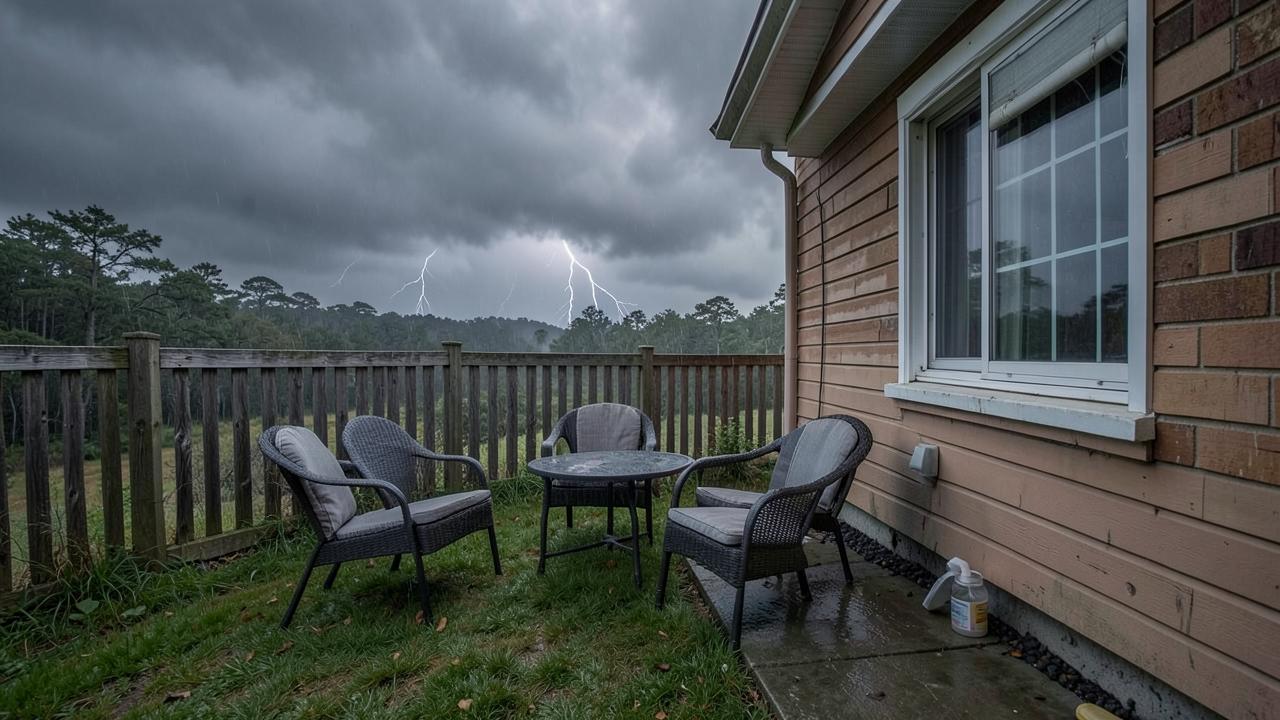
Hurricane and storm prep for the house and yard means securing or bringing in every loose outdoor object, trimming dead or overhanging tree limbs well before storm season, protecting windows and garage doors from wind pressure, and clearing gutters and drains so heavy rain has somewhere to go. Most storm damage to homes comes from wind-driven debris and water intrusion, not the storm's core itself.
What yard items cause the most storm damage if left out?
Patio furniture, potted plants, umbrellas, trampolines, and grills become projectiles in sustained winds above roughly 40-50 mph, capable of breaking windows or puncturing siding and roofing. Anything you can't anchor or weigh down with at least 50 lbs of resistance should go into a garage or shed before the storm arrives, ideally 24-48 hours ahead when forecasting gives reasonable confidence.
| Item | Action before a storm | Risk if left as-is |
|---|---|---|
| Patio furniture, umbrellas | Bring indoors or into garage/shed | Becomes wind-driven projectile |
| Potted plants | Bring in or lay flat in a sheltered spot | Pot shatters, plant becomes debris |
| Trampolines | Disassemble or heavily anchor | Can travel 100+ ft in high wind |
| Trash and recycling bins | Store in garage until after the storm | Blows into streets, damages cars |
| Dead or overhanging tree limbs | Trim well before storm season | Falls on roof, power lines, or car |
How far in advance should tree trimming happen?
Ideally weeks to months before storm season, not the day before a named storm — arborists get booked solid once a storm is in the forecast, and hasty trimming in high wind is dangerous. Focus on dead, cracked, or overhanging limbs near the roof, power lines, and any structure; a healthy, well-pruned tree canopy is far less likely to shed large limbs than one with existing deadwood.
What protects windows and doors from wind pressure?
- Storm shutters (permanent or temporary panel) rated for your wind zone offer the best protection and run roughly $15-30 per square foot installed for permanent systems.
- 5/8-inch marine-grade plywood cut to fit windows is a lower-cost temporary option, roughly $20-50 per sheet, but must be pre-cut and pre-drilled well before the storm since hardware stores sell out fast.
- Reinforce garage doors, which fail more often than windows in high wind and can cause a pressure cascade that blows off the roof; a garage door bracing kit runs $150-350 installed.
- Impact-rated windows are the permanent fix but are a renovation-scale cost ($700-2,000+ per window), not a last-minute prep step.
What should happen the day before landfall?
- Finish securing or storing all loose yard items.
- Fill any large containers or a bathtub with water for sanitation use if power/water service is interrupted.
- Charge phones, power banks, and any battery equipment fully.
- Photograph the exterior of the house and yard for insurance documentation before damage, if any, occurs.
- Move vehicles into a garage or away from large trees if possible.
What should happen right after the storm passes?
Wait for an official all-clear before going outside — downed power lines are often live and not visibly distinguishable from dead ones. Once safe, walk the property to check for roof damage, standing water near the foundation, and downed limbs, photographing everything before cleanup for insurance purposes.
What should be in a storm emergency kit for the house?
- A battery or hand-crank radio to receive updates if cell service and power both go down.
- At least a three-day supply of water (one gallon per person per day) and non-perishable food, more if evacuation routes could be blocked.
- A generator (if owned) tested and fueled ahead of time, run only outdoors and well away from windows and doors to avoid carbon monoxide buildup.
- Basic tools, tarps, and plastic sheeting for emergency roof or window patching after the storm passes.
- Copies of insurance policies and identification in a waterproof bag or uploaded digitally, in case originals are damaged.
How do you document damage for insurance after a storm?
Photograph and video the entire exterior and any damaged interior areas before moving or discarding anything, including wide shots that show context and close-ups of specific damage. Keep receipts for any emergency repairs made to prevent further damage, such as a tarp over a hole in the roof, since most policies reimburse reasonable mitigation costs. Contact your insurer within a few days rather than waiting weeks, since claims filed promptly after a declared disaster tend to move faster through an insurer's backlog, and file even if damage looks minor at first, since some issues (like slow roof leaks) don't show their full extent for weeks.
How much notice do I realistically have before a hurricane makes landfall?
Modern forecasting typically gives 3-5 days of watch/warning notice for hurricanes, though exact track and intensity can shift significantly in the final 24-48 hours. Complete outdoor prep at the watch stage rather than waiting for a firm warning.
Is taping windows in an X pattern actually useful?
No — this is a persistent myth. Tape doesn't add meaningful strength against wind pressure or impact, and can make cleanup of broken glass more dangerous by holding larger shards together. Shutters or plywood are the effective options.
Should I trim trees myself before a storm to save money?
Trimming smaller, accessible deadwood with hand tools is reasonable DIY work. Anything requiring a ladder above about 10-12 feet, a chainsaw on large limbs, or work near power lines should go to a certified arborist — storm-related tree work injuries are common and largely preventable.
Run the numbers for your own project
- Home Maintenance ScheduleWhat should I be doing to my home this month?
- Gutter and Downspout CalculatorHow much gutter and how many downspouts does my roof need?
Keep reading
- The Seasonal Maintenance Jobs That Prevent Expensive RepairsAlmost every large repair bill starts as a small maintenance job that nobody scheduled.
- Preventing Frozen Pipes: What Works and What's Just FolkloreFrozen pipes rarely burst from the ice itself — they burst from the pressure trapped between the ice and a closed faucet.
- Roof Inspection From the Ground: What Binoculars Can Tell YouMost roof failures announce themselves months in advance, in ways you can see from the lawn.