The Fall Home Checklist That Actually Prevents Winter Damage
By Jim Vernon · 4 min read · Last updated
Most fall checklists are twenty items long and unranked. Here are the six that stop $2,000+ repairs.
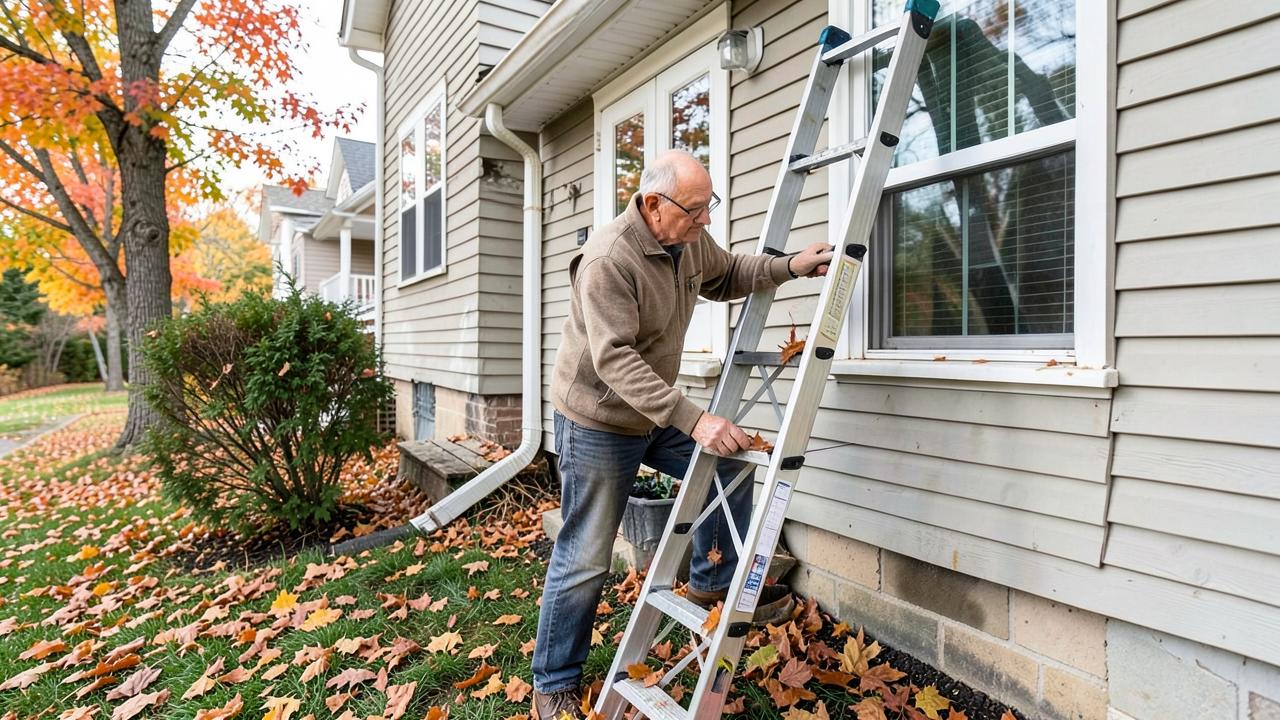
A fall home checklist that actually prevents winter damage focuses on water: clean gutters, drained hoses and irrigation, a sealed building envelope, and a tested heating system. Do these six things between late September and the first hard freeze in your area, and you head off the majority of expensive winter failures — frozen pipes, ice-dammed roofs, and heating breakdowns.
Which fall tasks matter most, and in what order?
- Clean gutters and downspouts after 80%+ of leaves have dropped, not before — cleaning too early means doing it twice.
- Shut off and drain exterior hose bibs and blow out or drain irrigation lines before the first hard freeze.
- Have the furnace or heat pump serviced and the filter replaced before you need heat, not during the first cold snap.
- Seal visible gaps around pipes, vents, and the foundation sill with caulk or expanding foam.
- Check the roof and flashing for loose or missing shingles while it's still safe and dry to be up there.
- Test smoke and carbon monoxide detectors and stock backup batteries before heating season starts full-time.
Why do gutters matter so much for winter damage?
Clogged gutters back water up under shingles and, in cold climates, feed the ice dams that force meltwater under roofing and into ceilings. A gutter overflowing by even a quarter inch during a fall rain is a preview of what happens when that same water refreezes in January. Clean gutters and confirm downspouts extend at least 4-6 feet from the foundation so water doesn't pool and freeze against the walls.
What does winterizing outdoor plumbing actually involve?
Disconnect and drain garden hoses, shut off interior valves feeding exterior spigots if your house has them, and open the outdoor tap briefly to let residual water drain. For irrigation systems, an insulated hose bib alone isn't enough protection in climates that see hard freezes; the supply lines themselves need draining or a compressed-air blowout, typically done by an irrigation contractor for $75-150 per zone set.
| Task | Best timing | Typical cost if DIY | Cost if it's skipped |
|---|---|---|---|
| Gutter cleaning | After leaf drop, before first freeze | $0-30 in tools | $1,500-8,000 ice dam/roof repair |
| Hose bib and irrigation drain | Before first hard freeze | $0-20 for insulated covers | $150-500+ per burst pipe |
| Furnace tune-up | Early fall, before first cold snap | $0 (filter only, ~$15-25) | $300-3,000 emergency repair mid-winter |
| Sealing gaps and caulking | Dry fall weekend | $15-40 in caulk/foam | 10-20% higher heating bills |
| Roof and flashing check | Dry, mild fall day | $0 (binoculars) to $150 (inspection) | $500-5,000+ in leak damage |
When should each task actually happen?
Sequence matters more than a fixed calendar date because it depends on your local frost timing. Do the roof and gutter work while the weather is still dry and mild, plumbing shutoffs a week or two before the first forecast hard freeze, and the furnace tune-up early enough that a scheduling backlog at the HVAC company doesn't leave you without heat. In most of the continental US that's late September through mid-November, but a first-frost lookup for your zip code beats guessing.
How much should a fall maintenance budget be?
A realistic fall maintenance budget runs $200-600 for a typical single-family home if you do most tasks yourself and only pay for the furnace tune-up and an occasional inspection. Homeowners who prefer to hire out gutter cleaning ($100-250), a full HVAC service ($150-300), and an irrigation blowout ($75-150) should plan closer to $400-900 total. Either way, that range is small next to the $1,500-8,000 an ice-dam repair or the $300-3,000 an emergency mid-winter furnace failure can cost, which is the real comparison worth making before deciding what to skip.
What mistakes do homeowners make with fall prep?
- Cleaning gutters too early, before most leaves have dropped, then having to redo the job in November.
- Waiting for the first cold snap to call an HVAC company, when schedules are already backed up two to three weeks.
- Sealing obvious gaps with caulk but missing the less visible ones around dryer vents, cable entry points, and the rim joist in the basement, which often account for more heat loss combined than the visible gaps.
- Draining hose bibs but forgetting an attached hose still traps water inside even a frost-proof faucet.
- Skipping the attic check because it's inconvenient, then finding a stained ceiling in January that a five-minute look in October would have caught while it was still a small, cheap fix.
What can wait until spring?
- Deck refinishing or sealing — better done in warmer, drier spring conditions anyway.
- Major exterior painting — most paints need consistent temperatures above 50°F to cure properly.
- Perennial garden cleanup beyond cutting back diseased foliage — leaving some stems and leaf litter helps overwintering pollinators.
- Non-urgent landscaping or hardscape projects that don't affect drainage or water intrusion.
Do I need to winterize irrigation even in a mild climate?
If your area sees any nights below 32°F, yes — even one hard freeze can split a pipe. In climates that never freeze, seasonal irrigation shutdown is about adjusting the schedule for lower water need, not draining lines.
How much does a professional fall home check-up cost?
A general home inspection or handyman fall walkthrough runs $150-350, while an HVAC tune-up alone is typically $80-200. Combined, a full professional fall service runs $250-500, which is inexpensive compared to a single burst-pipe or ice-dam repair.
What's the single highest-value fall task if I only have one weekend?
Gutter cleaning paired with a downspout check. Water management is the root cause behind most of the expensive winter failures — ice dams, foundation cracking, and basement leaks — so it has the best payoff per hour spent.
Run the numbers for your own project
- Home Maintenance ScheduleWhat should I be doing to my home this month?
- Gutter and Downspout CalculatorHow much gutter and how many downspouts does my roof need?
- Frost Date LookupWhen is my last frost and how long is my season?
Keep reading
- The Seasonal Maintenance Jobs That Prevent Expensive RepairsAlmost every large repair bill starts as a small maintenance job that nobody scheduled.
- Preventing Frozen Pipes: What Works and What's Just FolkloreFrozen pipes rarely burst from the ice itself — they burst from the pressure trapped between the ice and a closed faucet.
- Roof Inspection From the Ground: What Binoculars Can Tell YouMost roof failures announce themselves months in advance, in ways you can see from the lawn.