Vegetable (tuber annual)
Potato
Solanum tuberosum
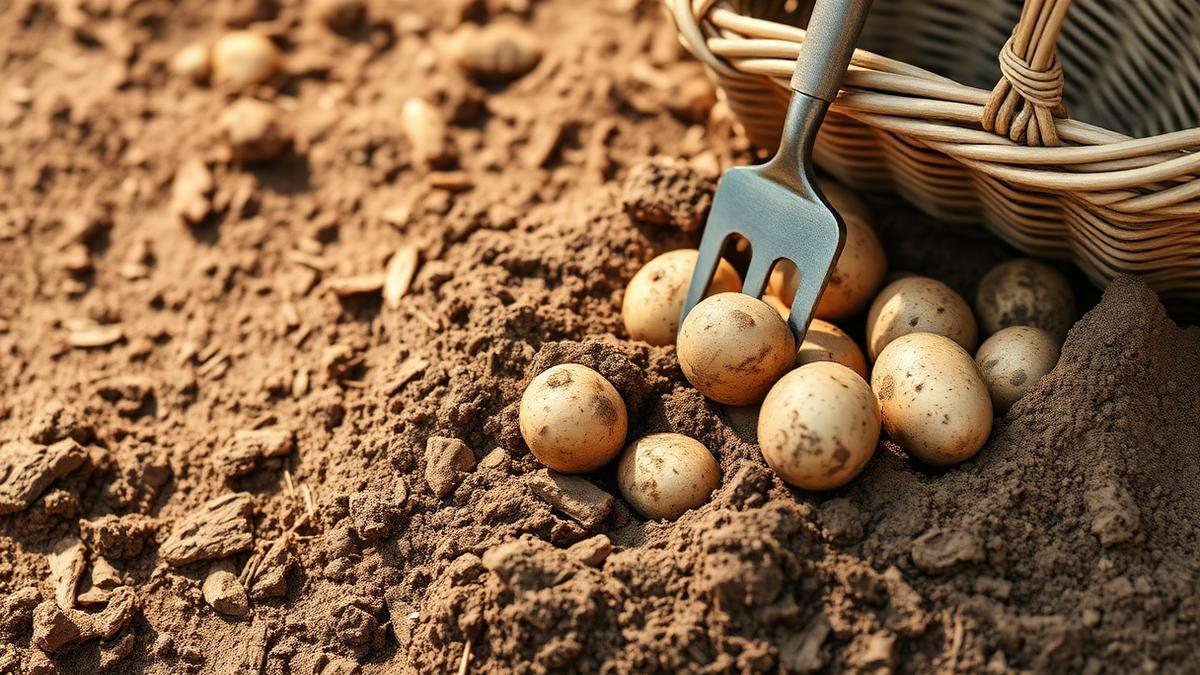
Grown from seed potatoes rather than true seed, and the single habit that most affects yield — hilling soil over the stems — is also the one most gardeners skip.
| Light | Full sun |
|---|---|
| Water | Consistent, moderate; even moisture during tuber bulking |
| Spacing | 30 cm within rows, 75 cm between rows |
| Zones | Grown as an annual everywhere |
| Harvest | 70-120 days depending on variety; new potatoes earlier |
| Difficulty | Easy |
Hilling is not optional
New tubers form above the original seed potato, along the buried stem. Mounding soil or mulch over the base of the plant as it grows creates more room for tubers to form and prevents exposed potatoes from turning green.
Green potatoes are toxic, not just unattractive
Sunlight exposure turns potato skin green and increases solanine, a bitter, mildly toxic compound. Cut away green parts generously or discard badly affected tubers rather than eating them.
Cure before long-term storage
Freshly dug potatoes store far better after curing in a cool, dark, well-ventilated spot for one to two weeks, which toughens the skin and heals small nicks from digging.
More plant profiles
- TomatoThe most-grown vegetable in home gardens, and the one most improved by consistent water and a cage or stake set at planting time.
- LettuceA fast, forgiving crop that bolts to seed in heat, so timing and shade matter more than soil fertility.
- BasilThe most temperature-sensitive common herb — it sulks below 10°C and needs regular pinching to stay leafy rather than flowering.