Houseplant (epiphytic flowering)
Phalaenopsis Orchid
Phalaenopsis spp.
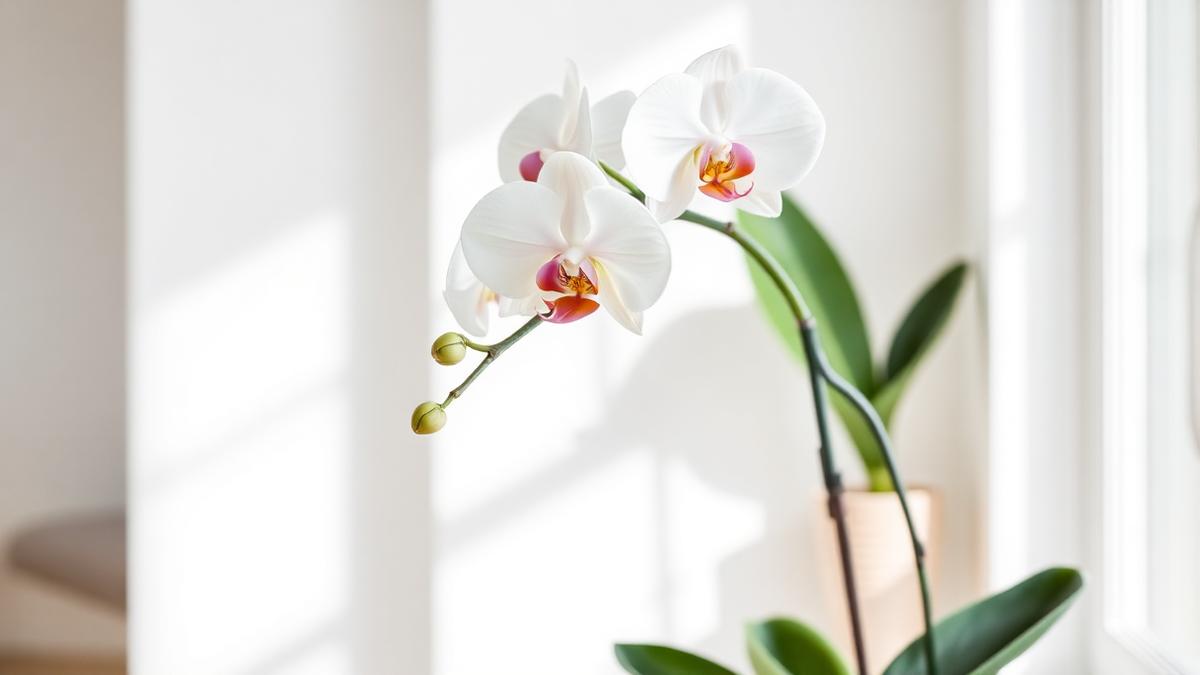
The most commonly sold houseplant orchid, epiphytic by nature — it needs airy bark mix and roots that dry out, not ordinary potting soil.
| Light | Bright, indirect light; no direct midday sun |
|---|---|
| Water | Weekly soak, let roots dry; never sit in water |
| Spacing | Single pot specimen |
| Zones | Houseplant everywhere |
| Harvest | N/A — reblooms; cut spike above a node to encourage a second flush |
| Difficulty | Moderate |
It's an air plant with a pot habit
In the wild, phalaenopsis grows attached to tree bark with roots exposed to air. Standard potting soil holds too much water around the roots and rots them; use a chunky bark-based orchid mix in a pot with generous drainage.
Silvery-green roots vs mushy brown ones
Healthy roots look plump and silvery-green when dry, bright green when wet. Flat, brown, mushy roots indicate rot from overwatering; firm, dry, papery roots indicate the plant has gone too long without water.
Reblooming after the flowers drop
Once flowers fade, cut the spike just above a visible node below the spent blooms; many plants send up a second, smaller flush from that node within a couple of months.
More plant profiles
- TomatoThe most-grown vegetable in home gardens, and the one most improved by consistent water and a cage or stake set at planting time.
- LettuceA fast, forgiving crop that bolts to seed in heat, so timing and shade matter more than soil fertility.
- BasilThe most temperature-sensitive common herb — it sulks below 10°C and needs regular pinching to stay leafy rather than flowering.