Tile & Stone
Grout (Sanded & Unsanded)
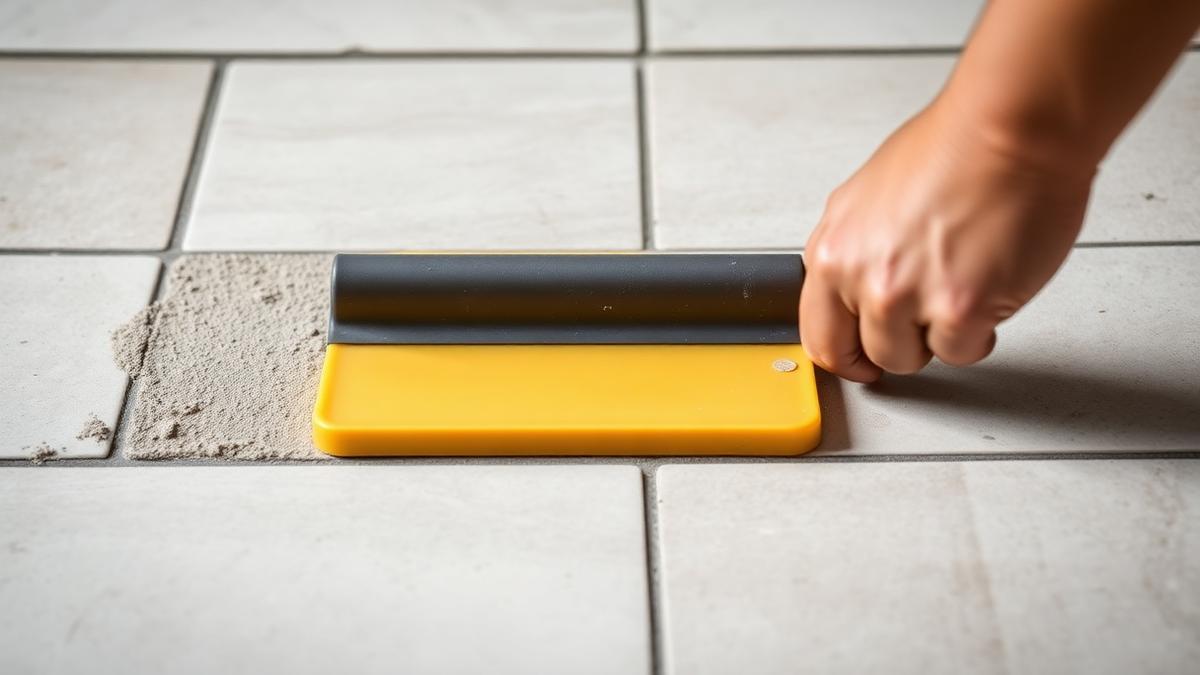
The cement- or epoxy-based filler between tiles that keeps water out of the joint and locks the tile layout together.
Best for
- Sanded grout: joints 3mm and wider
- Unsanded grout: joints under 3mm and polished or easily scratched tile faces
- Epoxy grout: wet areas needing maximum stain resistance
Avoid when
- Sanded grout on polished natural stone, where the sand can scratch the surface during application
Match grout type to joint width, not preference
Unsanded grout shrinks too much in joints wider than about 3mm and will crack; sanded grout used in a very narrow joint can look coarse and be harder to smooth. Check the tile's recommended joint width before buying.
Sealing is not optional in wet areas
Cement-based grout is porous and will absorb stains and mildew in a shower unless sealed annually — epoxy grout skips this step entirely at a higher upfront cost.
Put this into practice
- Tile and Grout CalculatorHow many tiles, and how much adhesive and grout?
More material guides
- Porcelain TileA dense, low-porosity ceramic fired at high temperature, strong and water-resistant enough for floors, wet areas, and outdoor use.
- Ceramic TileA clay-based tile fired at a lower temperature than porcelain, easier to cut and generally cheaper, best suited to walls and light-traffic floors.