Lawn
Mowing a Lawn Too Short Weakens It More Than Skipping a Watering
Scalping a lawn to save mowing trips stresses the grass more, and for longer, than a week of missed watering would.
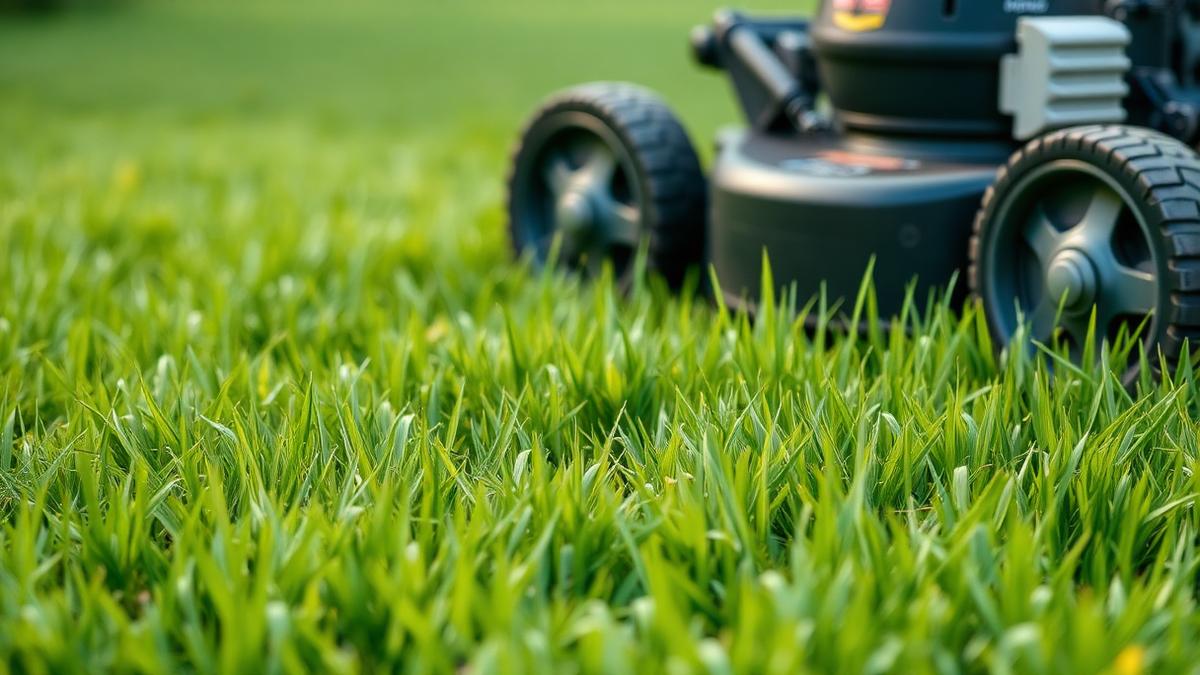
Leaf blade is where a grass plant photosynthesizes. Removing more than about a third of the blade height in one cut forces the plant to draw on root-stored carbohydrate reserves to recover, rather than running on the sugars it's actively producing. That recovery period leaves roots undernourished, thins the stand, and opens bare patches to weed seed — effects that outlast the week or two of visible stress from a skipped watering, which grass tolerates by going semi-dormant.
The general guidance across cool- and warm-season grasses is the same one-third rule, adjusted for species-specific ideal heights — cool-season lawns generally run 2.5-3.5 inches, warm-season lawns shorter. Mowing more frequently at the correct height beats occasional scalping every time.
Written and reviewed by Jim Vernon, editor of Home & Garden Answers · Last updated
Put this into practice
- Grass Seed CalculatorHow much grass seed do I need?
- Lawn Fertilizer CalculatorHow much fertilizer does my lawn need?
More facts like this
- Grass Clippings Do Not Cause ThatchLeaving clippings on the lawn returns up to a quarter of its annual nitrogen and does not build thatch.
- Late Summer Beats Spring for Overseeding Cool-Season LawnsSeed sown in late summer germinates into warm soil with less weed competition and two cool growing seasons ahead of it.