Outdoor Build
The Gap Between Deck Boards Is Doing More Than Draining Water
Installing deck boards edge to edge in dry weather routinely leads to buckling once the wood absorbs moisture and expands.
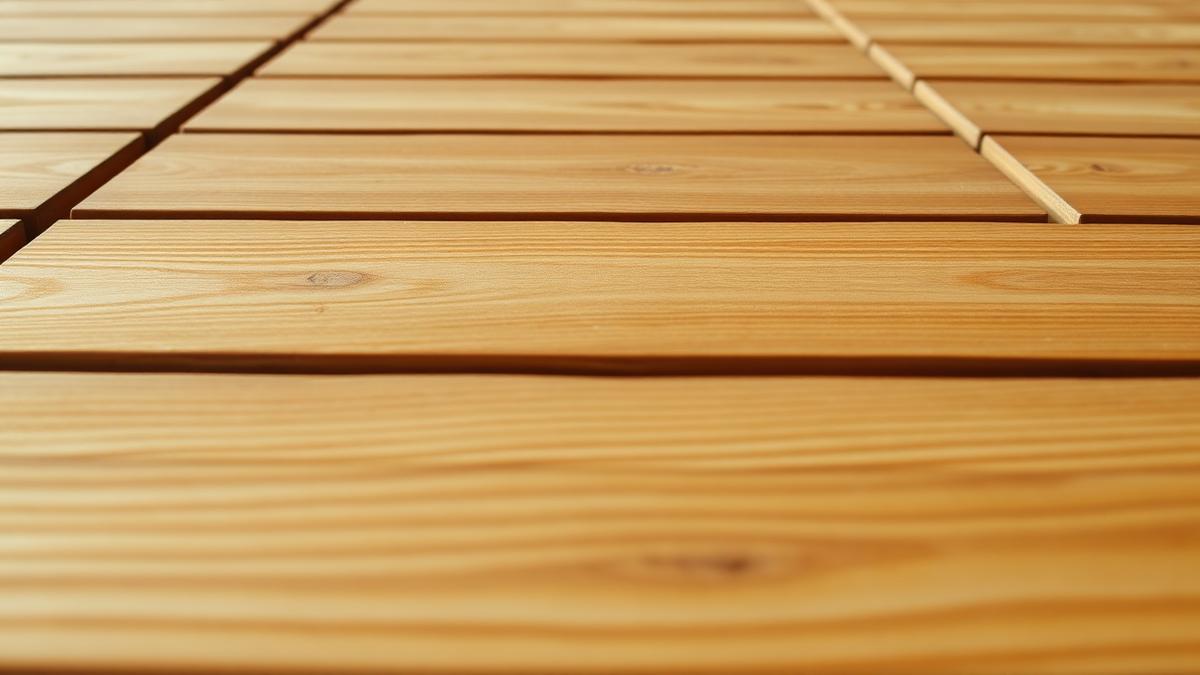
Wood is hygroscopic — it absorbs and releases moisture with the seasons, expanding across its width as it does. Pressure-treated lumber installed wet (as most of it is, straight from the treatment process) shrinks as it dries, opening gaps naturally. Installed bone dry with boards butted tight, the same lumber later swells with humidity and has nowhere to go, buckling or cupping.
The standard spacing is about 1/8 to 3/16 inch for treated lumber installed wet, a bit less for composite decking which moves far less than wood. Composite manufacturers publish exact gap specs per product because thermal expansion, not moisture, drives their movement instead.
Written and reviewed by Jim Vernon, editor of Home & Garden Answers · Last updated
Put this into practice
More facts like this
- Concrete Around a Wooden Fence Post Can Shorten Its LifePosts fail at the soil line, and a concrete collar that holds water there accelerates exactly that failure.
- Concrete Cures by Staying Wet, Not by Drying OutConcrete gains strength through hydration, so drying it fast is the fastest way to weaken it — up to 50% strength lost in extreme cases.
- Raised Bed Corners Rot Before the Rest of the Frame DoesA raised bed frame almost always fails at the corner joints first, well before the flat board faces show any rot at all.