Energy
Attic Vents Only Work in Balanced Pairs
Adding a powerful ridge or gable vent without matching soffit intake can pull air from the living space below instead of the outdoors, undoing the point of the vent.
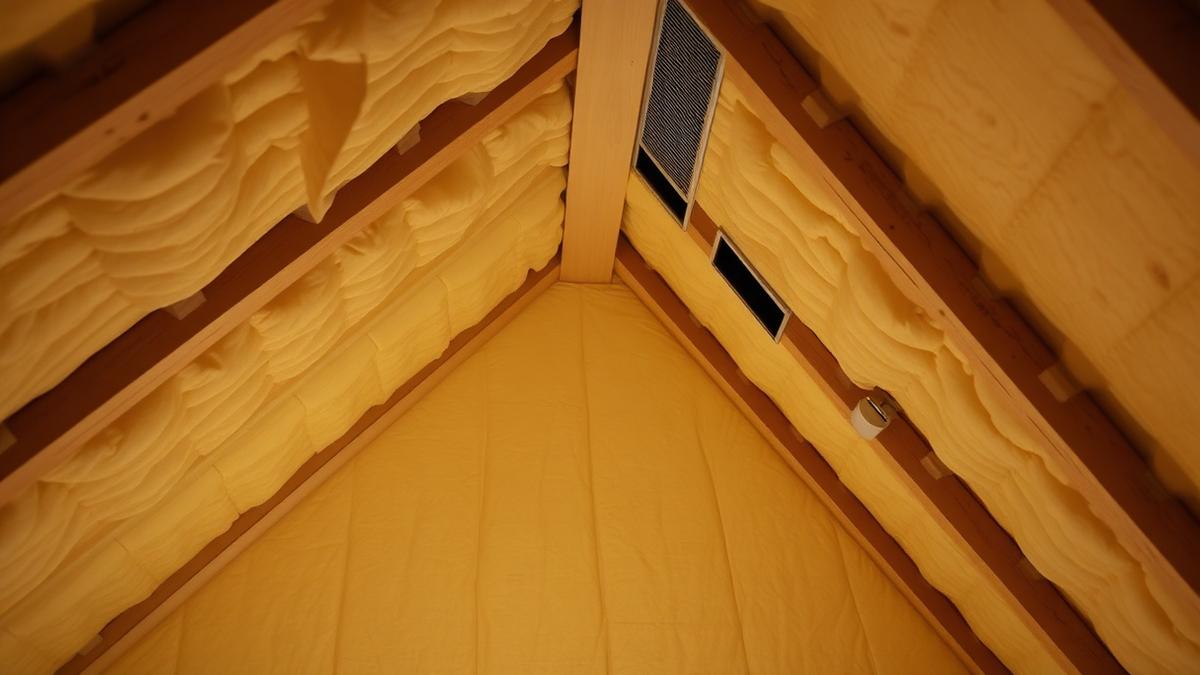
Passive attic ventilation relies on cooler air entering low, at the soffits, and warmer air exiting high, at the ridge or gable vents, driven by the stack effect. That system needs roughly balanced net free area on both sides — most guidance targets a 50/50 or slightly intake-favored split. If exhaust capacity far outstrips intake, the pressure difference pulls air from wherever it can find it, which is often through ceiling penetrations from the conditioned house below rather than the soffits.
That reversed draw pulls heated or cooled air (and the money spent conditioning it) straight into the attic, along with moisture that can condense on cold roof sheathing in winter. Checking that soffit vents are actually open — not blocked by insulation stuffed against them — is the most common fix.
Written and reviewed by Jim Vernon, editor of Home & Garden Answers · Last updated
Put this into practice
More facts like this
- Compressing Insulation Destroys Most of Its ValueAn R-19 batt crushed into a 2x4 cavity performs at roughly R-13 — you pay for R-19 and install R-13.
- Standby Power Is a Real Line on Your Bill — Just Smaller Than ClaimedStandby typically accounts for 2-5% of household electricity now, concentrated in a handful of specific devices.
- Watts Stopped Meaning Brightness Two Decades AgoLumens measure light; watts measure consumption. An LED can produce eight times the light of an incandescent at the same wattage.